The Top 8 Benefits Of Foam Rolling For Reduced Soreness And Better Mobility
By: Newsletics Editorial
Fact checked by: QA Team
Updated on: September 16, 2026
0
0
9 min
In this article
- Why the Benefits of Foam Rolling Matter
- The Top 8 Benefits of Foam Rolling
- How to Apply Foam Rolling for Maximum Benefits
- FAQ

Fitness enthusiasts and desk workers often battle delayed onset muscle soreness, tight hips from sitting, and slow recovery between sessions. Testing reveals foam rolling helps by triggering neurological responses that cut perceived pain and boost flexibility without hurting strength.
This guide explores the diverse benefits of foam rolling for both active and sedentary individuals. It also covers practical ways to apply these benefits for daily movement wins.
Why the Benefits of Foam Rolling Matter
For athletes recovering from training and beginners exploring self-care, foam rolling tackles real pain points like upper back stiffness and limited range of motion. Users report feeling looser and more refreshed, aligning with goals to reduce inflammation and achieve a nervous system reset.
It has become a go-to tool because the upsides fit right into warm-ups, post-workout routines, or quick daily sessions.
The Common Problems It Solves for Active and Sedentary Folks
Users report big relief from delayed onset muscle soreness after tough workouts and thoracic tightness from desk life. Testing reveals it supports faster recovery and better joint mobility for mixed-experience audiences.
It helps prevent injuries through improved movement patterns without needing fancy equipment. This makes it accessible for everyone chasing daily relaxation.
The Science-Backed Foundation Behind the Perks
Testing reveals a large effect on range of motion, with specific flexibility improvements across studies from a 2020 systematic review. It works mainly through neurological pain modulation and temporary thixotropic changes.

These physical changes make fascia more fluid for 10-20 minutes rather than causing permanent tissue remodeling. There are no detrimental effects on strength or athletic performance markers, so it fits seamlessly into any routine.
With the foundation set, here is the curated list of eight key benefits that deliver real results.
The Top 8 Benefits of Foam Rolling
This ranked list pulls from what actually moves the needle for soreness, flexibility, and recovery. Each benefit includes how it works in practice for athletes and desk workers alike.
Reduces Post-Exercise Muscle Soreness
Users report noticeably less discomfort in the days after intense sessions when they add foam rolling. Testing reveals a reduction in perceived soreness according to a 2019 meta-analysis of 21 studies.
This makes it a smart pick for fitness enthusiasts dealing with delayed onset muscle soreness. It works optimally when rolling slowly for 60-90 seconds per muscle group after workouts.
Delivers Quick Gains in Range of Motion
Tight muscles limiting movement get real help through targeted pressure application. Testing reveals large effect sizes for flexibility improvements that last 10-20 minutes after use.
Athletes and beginners both see better hip and thoracic mobility. These gains happen without the strength dips that sometimes come from static stretching alone.
Increases Local Blood Flow and Circulation
This benefit supports oxygen delivery and metabolic waste removal effectively. Research shows blood flow can increase by up to 74 percent with effects lasting about 30 minutes.

Desk workers with postural tightness and runners alike report feeling fresher. This physical response makes it a solid tool for daily wellness and faster recovery.
Speeds Recovery Between Training Sessions
Post-workout use attenuates performance drops, with studies showing a 3.9 percent boost in strength maintenance. It activates parasympathetic responses for relaxation and clears metabolic buildup from tissues.
Users report getting back to training feeling more reset and ready to perform. It proves especially helpful for those with slow recovery as a consistent practice of three to five times per week.
Eases Upper Back and General Muscle Tension
Prolonged sitting creates thoracic stiffness that this tool directly targets. Users report reduced perceived pain and easier daily movement after focusing on muscle bellies.
It fits perfectly for desk workers seeking a nervous system reset. Practical tips include rolling distal to proximal to aid circulation and avoiding direct lumbar pressure.
Supports Injury Prevention Through Mobility
Better joint range of motion helps active individuals stay ahead of muscle strains. Consistent use builds movement patterns that align seamlessly with injury prevention goals.
Training studies note range of motion gains of roughly 9-18 degrees. Positive results show up for mixed-level audiences when paired with dynamic movement after 5-10 minute sessions.
Promotes Relaxation and Nervous System Reset
Beyond muscles, sustained pressure influences mechanoreceptors to dial down sympathetic nervous system tone. Users report calmer feelings and better sleep quality after regular practice.
This wellness angle shines for beginners and athletes seeking practical downtime. It offers a quick daily ritual that enhances overall recovery without intense physical effort.
Primes Mobility and Activation Before Workouts
Pre-exercise use improves sprint performance with measurable gains and prepares neuromuscular systems. Using a roller on quads or calves for 60-90 seconds helps without any negative strength impact.
This use case is ideal for fitness enthusiasts wanting smoother warm-ups and better training quality from the start. These benefits shine brightest when applied with the right approach and consistency to make it a seamless habit.
How to Apply Foam Rolling for Maximum Benefits
Choosing the right timing, technique, and progression helps users get the most from every single session. These criteria match specific situations for athletes, desk workers, and beginners so the physical perks actually stick.
Picking Roller Density and Starting Slow
Beginners and those with high sensitivity should start with softer rollers before progressing to firmer ones. Control pressure using body weight and limbs to keep discomfort mild during the process.
This approach supports the 74 percent blood flow boost without triggering muscle guarding. It lets users build consistency three to five times weekly using different density options.
Roller Density Options
- Soft density — ideal for beginners and sensitive muscles
- Medium density — versatile choice for daily general use
- Firm density — suited for experienced athletes needing deep pressure
Starting with softer options ensures the body adapts to the pressure gradually. This progressive approach builds better long-term habits.
Targeted Techniques for Key Muscle Groups
Focus on quads, hamstrings, calves, glutes, and the thoracic spine while avoiding joints and the lumbar area. Roll at about 2.5 cm per second and pause 20-30 seconds on tender spots until discomfort drops by half.
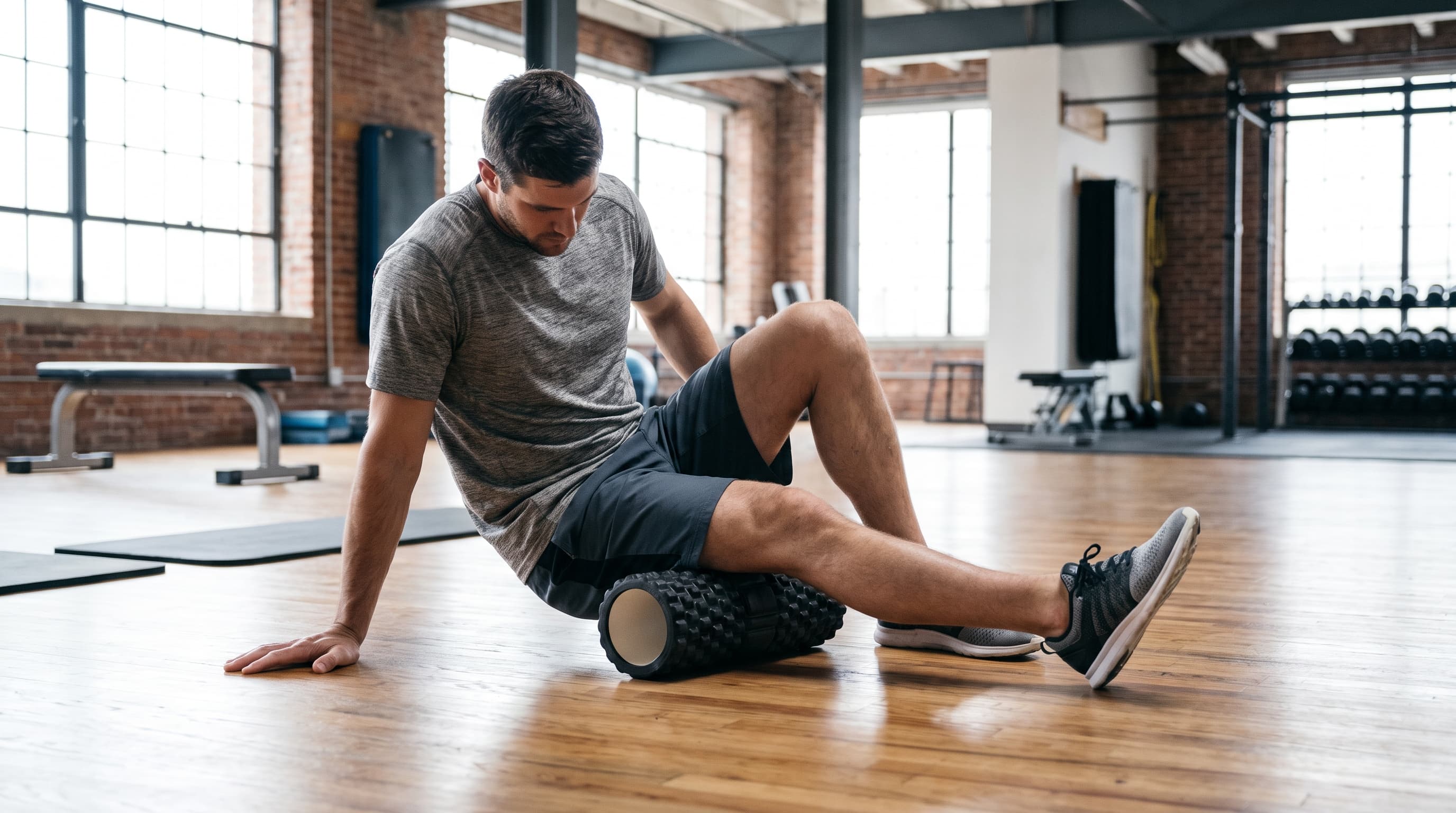
Users report better outcomes when combining this with active stretching afterward for retained range of motion gains. Breathing deeply during tender pauses helps further relax the nervous system.
Deciding Pre-Workout Versus Post-Workout Timing
Pre-workout sessions prime flexibility and activation for better immediate performance. Post-workout sessions focus primarily on cutting delayed soreness perception.
Most people need just 5-10 minute sessions to hit goals without overdoing the pressure. Testing shows this flexible timing works for both athletes recovering from training and desk workers resetting daily tension.
| Timing | Primary Benefit |
|---|---|
Pre-workout | Primes mobility and activation |
Post-workout | Reduces perceived muscle soreness |
Rest Days | Promotes nervous system relaxation |
Integrating Into Warm-Ups, Recovery, and Daily Routines
Pair with dynamic stretches for warm-ups or use as a standalone tool for relaxation to hit multiple goals. Consistency matters more than marathon sessions, with 60-90 seconds per group delivering the range of motion effects over time.
This helps mixed-experience audiences prevent injuries and maintain mobility. It serves as a beneficial addition rather than replacing other essential training elements.
FAQ
Does foam rolling actually work according to science?
Testing reveals real, if mostly acute, benefits like large range of motion improvements from 2020 reviews. It also reduces perceived soreness according to a 2019 meta-analysis of 21 studies.
Mechanisms center on neurological pain modulation and increased blood flow up to 74 percent rather than permanently breaking fascia. It proves a useful complementary tool for recovery and mobility when used consistently.
Should I foam roll before or after a workout?
Both timings work well depending on specific training and recovery goals. Pre-workout use primes mobility with small flexibility gains and better sprint performance, while post-workout reduces perceived soreness.
Users report optimal results by matching timing to needs, such as thoracic rolls after sitting or leg rolls after runs. A brief 5-10 minute total session paired with movement works best.
How long should I foam roll each muscle group and how often?
Spend 60-90 seconds per major muscle group or pause 20-30 seconds on tender spots while breathing deeply. Total sessions of 5-10 minutes done daily or three to five times per week bring cumulative mobility benefits.
Testing shows effects last 10-20 minutes, meaning daily consistency matters more than one long session. This frequency is ideal for desk workers and athletes alike.
Is foam rolling good for back pain or tight IT bands?
It helps ease upper back and thoracic stiffness common in desk workers by reducing muscle tension and improving posture. For IT bands, roll surrounding muscles rather than directly on the fibrous band itself.
Users report less perceived pain, but they should avoid acute pain areas. Combine this practice with active stretching for the best long-term mobility results.
Does foam rolling break up knots or fascia?
Primary effects come from neurological modulation and thixotropy that temporarily fluidizes tissues rather than physically breaking fascia or scar tissue. The physical forces are simply too low for permanent structural change.
Users still report knot relief and better stretch tolerance for 10-20 minutes. It offers a helpful sensation that supports recovery goals without overpromising structural changes.
Are there risks or people who should avoid foam rolling?
It remains generally safe, but avoid rolling directly on acute injuries, bruises, torn muscles, or varicose veins. Those with chronic pain should consult medical professionals before starting a new routine.
Testing confirms no negative strength impact, yet excessive pain can cause guarding, so start with gentle pressure. Beginners and desk workers benefit greatly with proper technique like rolling at 2.5 cm per second.
How is foam rolling different from stretching or massage?
Foam rolling uses self-applied sustained pressure that boosts blood flow and cuts pain perception. In contrast, stretching lengthens muscles, and massage relies on external therapist pressure.
It does not impair performance like prolonged static stretching sometimes does. Users report it pairs well with both for range of motion gains of 9-18 degrees in studies, making it a great complementary tool.
Can beginners benefit from foam rolling?
Absolutely, even those new to self-care see reduced tension and better daily mobility. Start with softer rollers, lighter pressure, and 60 seconds per group to avoid physical overwhelm.
Research supports small-to-moderate recovery benefits and no strength loss, making it approachable for mixed experience levels. Users report quick relaxation wins that encourage long-term consistency.
Related Articles

Why Does Stretching Feel Good? How 10-30 Second Holds Create Calm and Mobility for Busy Adults
Fitness5 min read

How to Fix Neck Posture in 8 Weeks: A Guide for Office Workers and Tech Users
Fitness5 min read

8 Workouts for Better Posture That Help Desk Workers Stand Taller Naturally
Fitness5 min read
The Top 8 Benefits Of Foam Rolling For Reduced Soreness And Better Mobility
Fitness5 min read

Why Are My Joints Hurting After 40? A Positive Guide to Causes and Regaining Mobility
Fitness5 min read

Yoga for Flexibility: Poses, Routines, and Timelines That Deliver Results in 10 Weeks
Fitness5 min read
Comments
(0)Leave a comment
Your email will not be published. All fields are required.