8 Top Sports for Flexibility That Build Mobility and Support Healthy Aging
By: Newsletics Editorial
Fact checked by: QA Team
Updated on: September 17, 2026
0
962
8 min
In this article
- Why Top Sports for Flexibility Matters
- The Top Sports for Flexibility Ranked
- How To Choose and Apply These Sports for Maximum Benefit
- FAQ

Fitness enthusiasts and adults dealing with persistent muscle tightness often struggle with limited movement and recurring strains. Testing reveals sports with repeated dynamic full-range movements can naturally boost range of motion in an enjoyable way while delivering performance and longevity perks.
Higher flexibility scores are linked to lower mortality risk in a Scandinavian Journal of Medicine & Science in Sports study of 3,139 middle-aged adults. Finding the top sports for flexibility provides a clear path to unlocking these benefits for long-term health.
Why Top Sports for Flexibility Matters
This section sets the stage by showing how these sports solve real pain points like stiffness and high injury rates. It guides recreational athletes, parents, and aging adults who want better daily function.
Addressing Stiffness and Injury Risks Head-On
Users report that persistent muscle tightness often limits movement and leads to pain during weekly routines. Testing reveals pre-exercise stretching alone does not produce meaningful reductions in injury risk, showing a pooled HR of 0.95 from a BMJ systematic review.
This is why flexibility-focused sports help recreational athletes and families reduce strains while making activity fun. These activities build range of motion naturally without feeling like a chore.
The Performance and Longevity Payoff
Testing reveals mobility training improved or maintained sports performance variables in 20 of 22 studies reviewed. Users report better joint range and fewer setbacks when they choose sports that build flexibility naturally.
These activities support goals like healthy aging and reduced all-cause mortality. Integrating mobility work into cross-training or family time sets the foundation for lasting physical resilience.
With those benefits clear, exploring the specific sports that deliver these results makes it easier to start.
The Top Sports for Flexibility Ranked
This curated list ranks eight sports that both demand and develop flexibility through dynamic movements. These selections come from expert ratings and real-world outcomes for mixed experience levels.
| Sport | Target Area |
|---|---|
Gymnastics | Full body control |
Martial Arts | Hips and legs |
Swimming | Shoulders and hips |
Rock Climbing | Full range motion |
Gymnastics
Users report gymnastics creates noticeable mobility improvements through constant full-body control. Testing reveals gymnastics is rated 10/10 for flexibility requirements by an ESPN expert panel analysis of 60 sports.
Its repeated dynamic movements lengthen muscle-tendon units and raise stretch tolerance. This suits athletes of many ages seeking better range without the boredom of static routines.
Martial Arts
Testing reveals sport-specific patterns in martial arts target hip abduction and rotation for combat demands. Users report high kicks and explosive motions quickly reduce everyday stiffness.
These neurological adaptations increase voluntary range of motion and lower injury risk for recreational practitioners. The dynamic nature of the sport keeps training engaging and effective.
Dance
Users report dance builds graceful flexibility that carries over to daily activities and family fun. Testing reveals chronic foam rolling over five to seven weeks improved lower limb ROM by nine to 18 degrees or 8-20 percent in athlete studies.
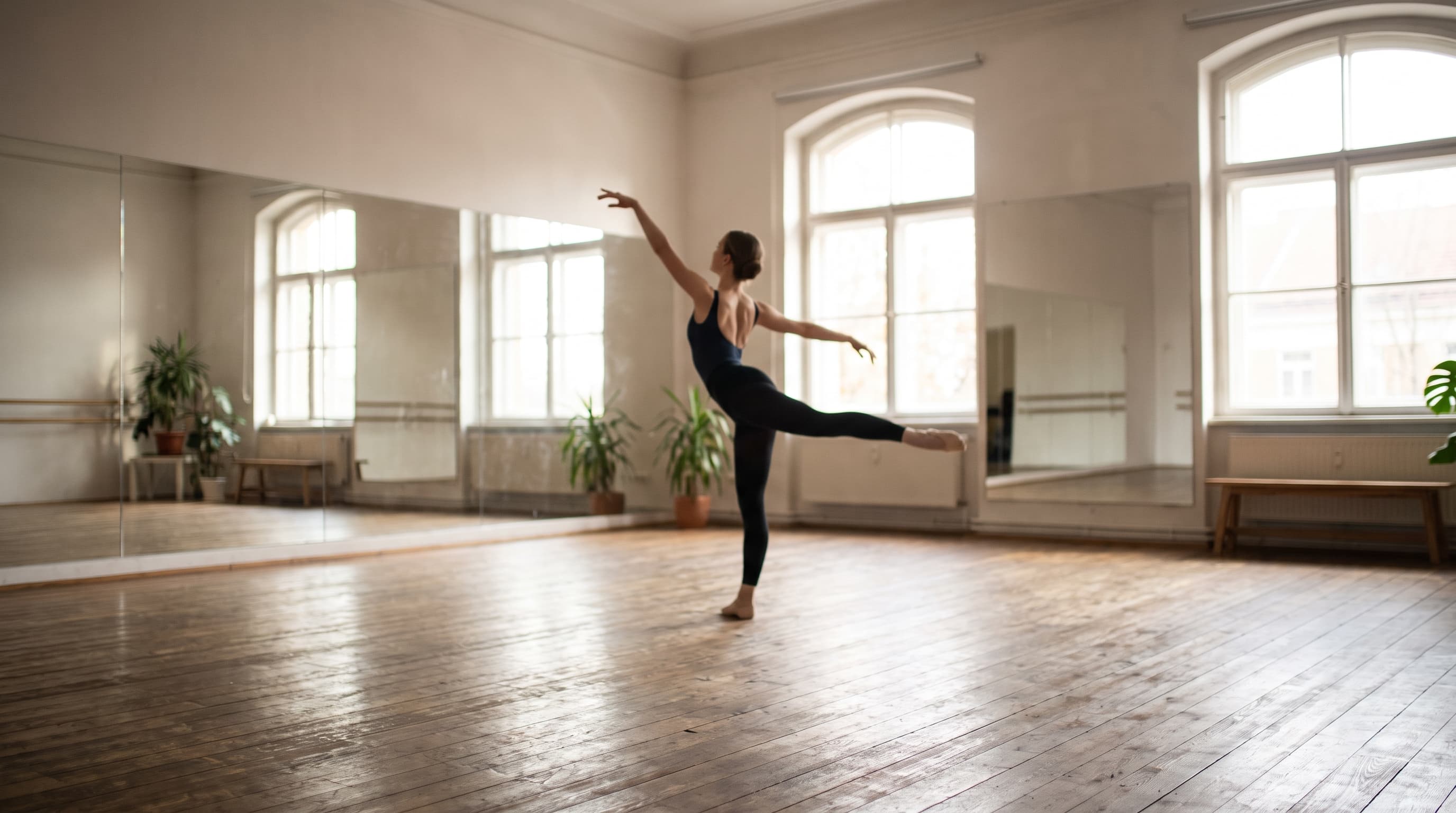
Varied movements enhance mobility, balance, and long-term joint health in an enjoyable format. This approach makes consistency easier for adults looking to stay active.
Diving
Diving demands and develops shoulder and spinal flexibility for complex entries and twists. Testing reveals the stretch-shortening cycle in jumping sports like diving stores elastic energy when flexibility and stiffness are balanced.
This makes it suitable for active adults wanting low-impact gains that boost performance and confidence. It provides a unique challenge that builds control alongside mobility.
Yoga
Users report yoga serves as a foundation that improves flexibility while supporting other sports. Testing reveals long-duration static stretching over 60 seconds produces larger flexibility gains of about six percent.
Flows build full-body control, transfer to daily function, and aid healthy aging without extreme effort. Consistent practice translates directly into better movement quality in everyday life.
Rock Climbing
Rock climbing earns high marks in all-round fitness rankings for its mobility demands alongside strength. Testing reveals resistance training through full ROM produces flexibility gains comparable to static stretching with moderate effect size g=0.63.
This comes from a Journal of Strength & Conditioning Research 2025 meta-analysis of 36 studies. It offers functional benefits for recreational athletes while reducing recurring strain risk.
Swimming
Users report swimming delivers low-impact shoulder and hip mobility perfect for weekly routines. Testing reveals sports participation like swimming links to 21-24 percent reduced all-cause mortality in a PMC meta-analysis of 2.6 million participants.
This highlights its role for aging populations, injury prevention, and steady flexibility progress. Gliding through the water offers a joint-friendly way to maintain motion.
Knowing the top sports is only half the battle; the next step is applying them to a specific situation.
How To Choose and Apply These Sports for Maximum Benefit
This section gives practical criteria so readers can match sports to their fitness level, age, and goals. It also covers blending them with smart habits for lasting mobility gains.
Matching Sports to Your Lifestyle and Goals
For parents choosing youth sports or adults over 50, testing reveals lower-impact options like swimming or dance support joint health and fall prevention. Users report team sports like soccer build some flexibility, but sport-specific ones create bigger ROM changes.
Selecting activities based on pain points such as hip tightness or shoulder stiffness ensures optimal enjoyment and results. Aligning the sport with physical needs keeps motivation high.
Smart Integration and Training Tips
Prioritize 10 to 15 minutes of mobility work three to five times weekly targeting hips, shoulders, and thoracic spine alongside these sports. Testing reveals that combining resistance training with sport play avoids the misconception that greater flexibility is always better.
Optimal stiffness actually aids power in jumping sports, making balance essential. Using dynamic movements before sessions and balancing flexibility with end-range strength ensures sustainable progress.
Integration Steps
- Prioritise dynamic warmups — Prep joints before play.
- Add resistance training — Build end-range strength.
- Schedule recovery — Use post-workout static stretches.
Tracking Progress and Avoiding Setbacks
Users report simple tests like the sit-and-reach every four to six weeks keep motivation high without daily measurement. Maintaining a basic digital log serves as a practical tool to track mobility gains from these sports and customise routines.
Consistent movement through full ranges of motion protects joint health better than occasional aggressive stretching.
Combining play with foam rolling and longer post-workout static stretches over 60 seconds delivers balanced, lifelong results. Steering clear of over-stretching protects joint health over time.
These guidelines help turn knowledge into consistent action for better mobility.
FAQ
What are the top sports for developing flexibility?
Gymnastics and martial arts top expert rankings, with gymnastics scoring 10/10 in an ESPN analysis of 60 sports. Dance and swimming follow closely for enjoyable gains across different age groups.
Users report these activities build range of motion through dynamic patterns better than isolated stretching alone for many adults. They suit mixed fitness levels, so starting with one that fits a specific lifestyle works best.
Does gymnastics build the most flexibility?
Testing reveals gymnastics earns the highest flexibility rating of 10/10 from ESPN expert panels. Users report exceptional full-body ROM gains from its complex movements.
It excels due to repeated stretch-shortening cycles, but other sports like rock climbing or dance also deliver strong results when practiced consistently. Balancing these activities with strength training ensures joint stability.
Can team sports like basketball or soccer improve flexibility?
While team sports require some mobility, testing reveals sport-specific dynamic movements in martial arts or gymnastics usually produce larger targeted gains. Users report adding 10 to 15 minutes of hip and shoulder mobility work boosts results from soccer or basketball.
A resistance training effect size of g=0.63 for flexibility serves as a helpful complement to team sports. This balanced approach keeps muscles primed for dynamic movement.
How does flexibility affect injury risk and athletic performance?
Higher flexibility links to lower mortality risk per a study of 3,139 adults. Mobility training maintained performance in 20 of 22 reviewed studies.
Users report fewer strains with better ROM, but note optimal muscle stiffness matters for power sports. Combining these top sports with strength training at long muscle lengths provides the best protection.
What is the difference between flexibility and mobility?
Flexibility is passive range, while mobility adds control and strength through that specific range. Testing reveals sports like yoga or rock climbing improve both via neurological adaptations and full-ROM training.
Users report mobility gains from these activities transfer better to daily function and aging. Building active control ultimately serves long-term joint health.
How long should I stretch and how often for results?
Aim for 10 to 15 minute sessions three to five times per week. Using longer static stretches over 60 seconds after workouts produces roughly six percent flexibility gains.
Testing reveals five to seven weeks of consistent foam rolling or sport play yields nine to 18 degree ROM improvements. Pairing this with top sports like swimming or dance helps with long-term adherence.
Is static stretching before sports helpful or harmful?
Evidence shows pre-exercise static stretching offers minimal injury risk reduction with a pooled HR of 0.95. It can also cause small performance dips if held too long before explosive activities.
Users report dynamic movements from martial arts or gymnastics prep the body better. Saving longer stretches for post-activity recovery yields better results.
Which sports are best for flexibility as you get older?
Swimming, dance, and yoga stand out for low-impact benefits after age 50. Testing reveals sports participation like swimming connects to 21-24 percent lower mortality.
Users report these options improve balance and joint health without high strain. Adding three to five weekly sessions alongside controlled mobility like tai chi supports active aging.
Related Articles

Why Does Stretching Feel Good? How 10-30 Second Holds Create Calm and Mobility for Busy Adults
Fitness5 min read

How to Fix Neck Posture in 8 Weeks: A Guide for Office Workers and Tech Users
Fitness5 min read

8 Workouts for Better Posture That Help Desk Workers Stand Taller Naturally
Fitness5 min read

The Top 8 Benefits Of Foam Rolling For Reduced Soreness And Better Mobility
Fitness5 min read

Why Are My Joints Hurting After 40? A Positive Guide to Causes and Regaining Mobility
Fitness5 min read

Yoga for Flexibility: Poses, Routines, and Timelines That Deliver Results in 10 Weeks
Fitness5 min read
Comments
(0)Leave a comment
Your email will not be published. All fields are required.