9 Knee Mobility Exercises That Restore Flexibility and Cut Stiffness for Adults Over 50
By: Newsletics Editorial
Fact checked by: QA Team
Updated on: September 16, 2026
0
1147
10 min
In this article
- Why Knee Mobility Exercises Matter
- 9 Top Knee Mobility Exercises for Flexibility, Strength, and Stability
- How to Choose and Apply These Knee Mobility Exercises
- FAQ

Middle-aged and older adults often deal with morning stiffness or pain after sitting that limits stairs, squatting, and walking. It quickly turns everyday movements into frustrating challenges.
Testing reveals these practical at-home knee mobility exercises can improve knee range of motion by a mean 9.3 degrees and reduce pain per a meta-analysis of randomized controlled trials. Users report noticeable gains in daily function within two to four weeks of short, consistent sessions.
Why Knee Mobility Exercises Matter
Users report that limited knee bending or straightening throws off everything from walking to standing up. This restriction feels worse for those managing arthritis or leading sedentary lifestyles.
Restoring range of motion builds necessary stability and helps prevent future re-injury. Research-backed routines give joints the fluid circulation they need to stay mobile.
How Stiffness Hits Daily Life and What Users Gain
Morning stiffness or instability after inactivity makes everyday moves scary for adults over 50 and post-injury patients. Getting out of a low chair or navigating stairs becomes a daily hurdle.

Testing reveals knee mobility exercises restore functional flexion and extension so stairs and squats feel easier again. A BMJ systematic review of 217 trials with 15,684 participants confirms aerobic moves paired with these routines effectively reduce knee osteoarthritis pain.
The same review notes these targeted combinations boost overall quality of life. Consistent practice keeps the joint supple and ready for daily demands.
The Science-Backed Payoffs for Arthritis and Recovery
Consistent knee mobility exercises improve dynamic control by strengthening the quadriceps, hamstrings, and glutes around the joint. Middle-aged adults with compensatory tight hips or ankles see large stability gains that prevent overload.
A 2026 randomized controlled trial found high-frequency self-managed knee flexion exercises delivered 4.1 degrees greater improvement in flexion versus low-frequency protocols post-surgery. These science-backed payoffs prove that targeted movement speeds up recovery.
Now that the benefits are clear, users can build a practical routine. Here is a curated list of nine accessible moves to try at home.
9 Top Knee Mobility Exercises for Flexibility, Strength, and Stability
This ranked list starts with foundational range of motion restorers then moves to strength and balance work. All options are beginner-friendly and perfect for home use.
Each move includes practical steps plus concrete research details so adults over 50 or post-surgery can progress safely. Tailoring these knee mobility exercises helps produce real, lasting results.
Quad Sets for Terminal Knee Extension
Users report that quad sets quickly restore full extension for post-surgery patients and those with osteoarthritis. A meta-analysis shows stretching and active holds like these improve knee extension range of motion by 9.1 degrees on average.
Follow these steps for proper quad set execution. Keep the movement slow and controlled.
Quad Set Execution Steps
- Starting position — Lie flat on your back with legs straight.
- Muscle engagement — Tighten the quad muscle to press the back of your knee down.
- Hold and release — Hold for ten seconds, then release for ten or more reps.
Heel Slides to Increase Knee Flexion
Middle-aged adults with limited bending love heel slides because they gently restore flexion for better squatting and walking. Testing reveals high-frequency use produces meaningful gains for tight joints.
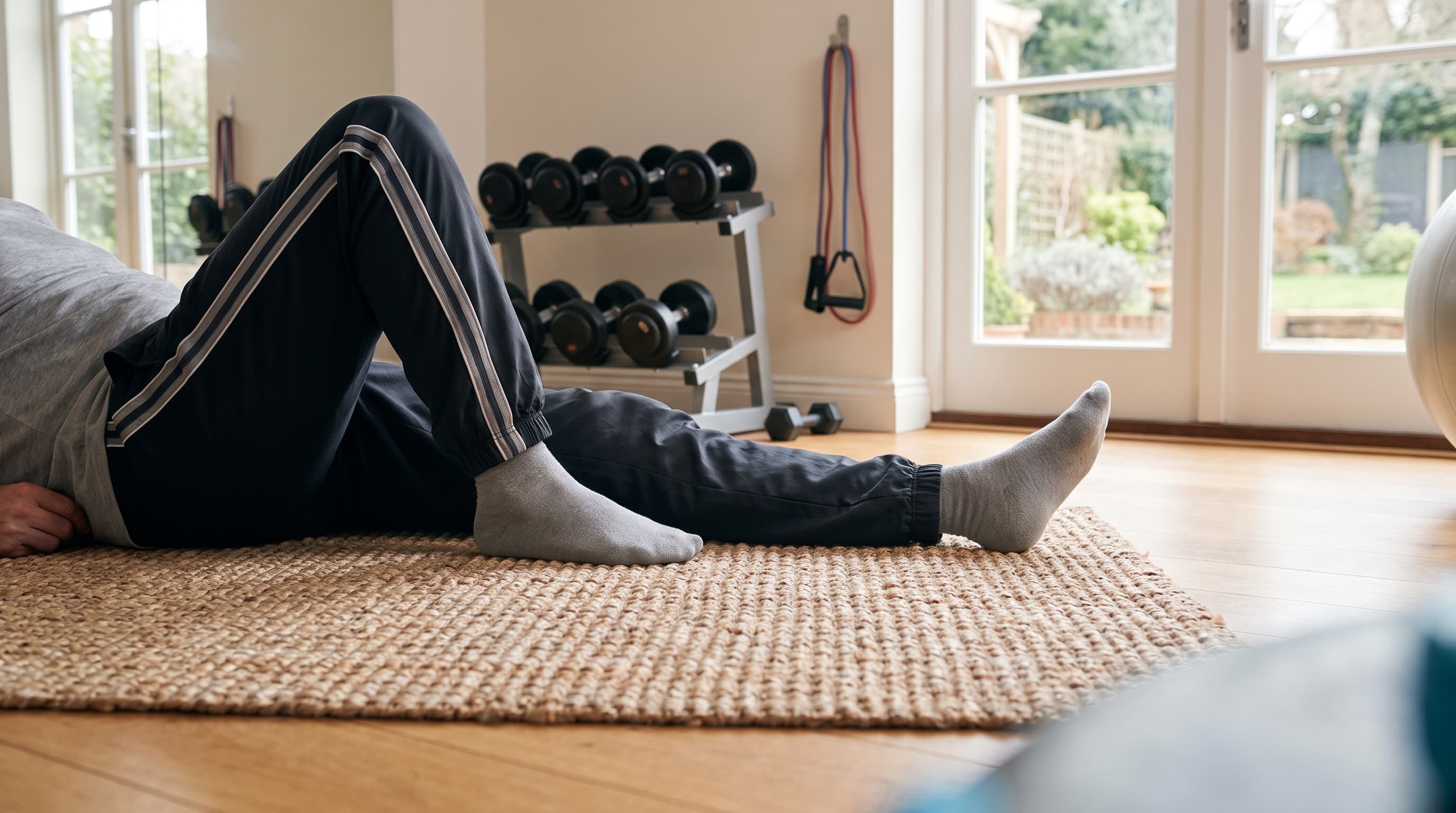
This matches the 10.8-degree average flexion improvement from a systematic review of nine RCTs. Try this simple progression at home.
Heel Slide Execution Steps
- Setup — Lie on your back with a small towel under your sliding heel.
- The slide — Slowly pull the heel toward your glutes until you feel a gentle stretch.
- Repetitions — Complete 10 to 20 reps across two to three sets daily.
Seated Knee Extensions for Controlled Strength
Users report seated knee extensions build quad strength without joint stress, perfect for sedentary lifestyles or arthritis management. Research shows eccentric elements here support overall motion increases.
A 2023 meta-analysis confirms a large effect size for knee extension using these methods. Here is how to perform the movement safely.
Seated Extension Execution Steps
- Proper seating — Sit upright in a sturdy chair with feet flat.
- Leg extension — Extend one leg straight out until parallel with the floor.
- Controlled descent — Hold for five seconds before slowly lowering for 8 to 15 reps.
Standing Quad Stretch for Muscle Length
Testing reveals the standing quad stretch eases front-of-knee tightness that contributes to morning stiffness in older adults. A PMC meta-analysis confirms static stretches held this way reduce pain while improving total knee motion by 9.3 degrees.
Perform this stretch after a five to ten minute warm-up walk. Use a wall or chair for balance if needed.
Quad Stretch Execution Steps
- Balance check — Stand on one leg while holding a stable surface.
- The pull — Bring the opposite heel toward your glutes and grasp your ankle.
- Static hold — Maintain the stretch for 30 to 60 seconds for two rounds per side.
Seated Hamstring Stretch for Posterior Mobility
Those with tight hamstrings from inactivity find this stretch boosts knee extension tolerance and reduces compensatory strain. Research from a 2025 systematic review shows chronic static stretching like this reduces muscle stiffness.
This practice also increases neural stretch tolerance for lasting flexibility. Follow this sequence for the best results.
Hamstring Stretch Execution Steps
- Edge seating — Sit near the edge of a chair and extend one leg straight.
- The hinge — Hinge forward slightly at the hips while keeping your back straight.
- Duration — Hold the stretch for 30 to 60 seconds before switching legs.
Calf Raises for Lower Leg Stability
Users report calf raises improve ankle dorsiflexion, which often limits knee mobility in active individuals. Testing reveals addressing the full kinetic chain this way supports large range of motion gains.
A Medicine & Science in Sports & Exercise meta-analysis shows eccentric training like this provides a strong overall effect size. Build stability with these simple steps.
Calf Raise Execution Steps
- Starting stance — Stand tall with feet hip-width apart near a wall for support.
- The raise — Rise slowly onto your toes, lifting your heels high.
- Progression — Complete 8 to 15 controlled reps, eventually progressing to single-leg raises.
Straight Leg Raises for Added Control
Post-injury patients and those building strength enjoy straight leg raises for quad activation with minimal knee stress. A meta-analysis of 13 studies shows proper form supports gains of roughly 11 degrees in flexion.
Maintaining proper alignment during the move is critical for adults over 50. Follow this controlled progression.
Leg Raise Execution Steps
- Core engagement — Lie on your back and tighten your core muscles.
- The lift — Lift one straight leg about 12 inches off the floor.
- Slow lowering — Lower the leg slowly for two to three sets of ten reps.
Bridge With Leg Extension for Glute Activation
Testing reveals bridges with leg extensions build glute and hamstring strength that stabilizes knees during daily tasks. This is especially helpful for arthritis sufferers seeking better joint support.
A network meta-analysis of 41 studies ranks isokinetic-style strengthening highest for pain relief and physical function in knee osteoarthritis. Try this advanced movement pattern.
Bridge Extension Execution Steps
- Bridge setup — Lie on your back with knees bent and feet flat.
- Hip drive — Lift your hips into a standard bridge position.
- Extension — Extend one leg straight, hold briefly, then lower before switching.
These knee mobility exercises deliver best results when you tailor the selection and frequency to your specific limitations and lifestyle.
How to Choose and Apply These Knee Mobility Exercises
Not every exercise fits every knee issue, so matching moves to your specific pain points is important. Understanding your limitations makes building a sustainable routine much easier.
Focus on positive progressions and joint safety for long-term success. A thoughtful approach prevents overtraining and maximizes functional gains.
Matching Moves to Your Main Limitation
For extension deficits common after surgery, prioritize quad sets and heel props. Accumulate 30 to 60 minutes daily broken into very short sessions.
Those with flexion limits or arthritis should start with heel slides and stretches before attempting strength work. A 2026 RCT highlights that focusing on the primary restriction first yields the best functional gains for older adults.
| Limitation | Primary Exercise | Primary Goal |
|---|---|---|
Extension Deficits | Quad Sets, Stretches | Restore straight leg |
Flexion Limits | Heel Slides | Improve deep bending |
Muscle Weakness | Leg Raises, Bridges | Build joint stability |
Building a 10-20 Minute Routine 3-5 Times Weekly
Users report that starting with a five to ten minute walking warm-up keeps sessions sustainable. Follow this with two to three sets of selected knee mobility exercises.
Rehab users can practice daily, while maintenance stays at three to five times per week for noticeable changes in two to four weeks. Consistent short practice beats infrequent long sessions according to evidence on neural adaptations.
Tracking Progress and Knowing When to Get Help
Testing reveals measuring heel-to-butt distance weekly helps adults over 50 see real range of motion improvements. Many achieve a 9 to 11 degree increase over six to eight weeks.
Avoid pushing through sharp pain or swelling, and consult a clinician if instability persists. Simple habits and digital tracking apps can make staying consistent with these positive daily habits even easier.
FAQ
How often should you do knee mobility exercises?
Three to five times per week works great for maintenance while daily sessions suit rehab, always after a short warm-up walk. High-frequency self-managed routines produced 4.1 degrees greater flexion improvement in a 2026 RCT for post-surgery patients.
Start where you are and celebrate small weekly wins in flexibility for adults over 50.
What are the best knee mobility exercises for knee pain, stiffness or arthritis?
Quad sets, heel slides, and gentle stretches are top picks that users report ease morning stiffness without aggravating joints. A meta-analysis shows these moves improve total knee range of motion by 9.3 degrees and deliver large pain reductions.
Pair these basics with strengthening options like straight leg raises for stability while always staying in a tolerable range.
How long does it take to improve knee range of motion?
Users often notice easier movement in two to four weeks with consistent practice, while substantial 9 to 11 degree gains appear around six to eight weeks. A systematic review noted that stretching yielded 10.8 degrees more flexion on average.
Short daily sessions add up fast for middle-aged adults aiming to climb stairs pain-free again.
Are knee mobility exercises safe after surgery or with OA?
When progressed slowly, these exercises are safe and helpful, with evidence showing targeted variations improve flexion by about 11 degrees post-injury. Start with quad sets and heel slides multiple times daily.
Stop at any sharp pain and always check with a clinician for personalized clearance.
Should I focus on stretching or strengthening first?
Testing reveals many benefit from restoring basic extension and flexion with heel slides and quad sets before adding strength moves like bridges. A 2023 meta-analysis supports eccentric strengthening for big motion gains once those basics are solid.
This combination prevents re-injury and builds confidence for active aging.
What causes limited knee mobility and can it be reversed?
Common causes include tight quads, hamstrings, fluid loss, or hip restrictions that force the knee to compensate. Users report consistent knee mobility exercises reverse much of this through better synovial fluid circulation and neural adaptations.
Research backs this up, showing 9.1-degree extension gains from targeted stretching in osteoarthritis populations.
How do I know if I'm pushing too hard or risking injury?
Tolerable discomfort is normal, but swelling or sharp pain means dial it back to protect your progress. Track that exercises stay pain-free the next day and accumulate 30 to 60 seconds of stretches without forcing the joint.
Most adults over 50 see steady improvements when they listen to their body and progress gradually.
Related Articles

Why Does Stretching Feel Good? How 10-30 Second Holds Create Calm and Mobility for Busy Adults
Fitness5 min read

How to Fix Neck Posture in 8 Weeks: A Guide for Office Workers and Tech Users
Fitness5 min read

8 Workouts for Better Posture That Help Desk Workers Stand Taller Naturally
Fitness5 min read

The Top 8 Benefits Of Foam Rolling For Reduced Soreness And Better Mobility
Fitness5 min read

Why Are My Joints Hurting After 40? A Positive Guide to Causes and Regaining Mobility
Fitness5 min read

Yoga for Flexibility: Poses, Routines, and Timelines That Deliver Results in 10 Weeks
Fitness5 min read
Comments
(0)Leave a comment
Your email will not be published. All fields are required.