Strengthen your pelvic floor with personalized daily exercise plans.
Explore Kegel Care
Best Posture Corrector: How To Choose One That Actually Helps
By: Newsletics Editorial
Fact checked by: QA Team
Updated on: September 16, 2026
0
2461
7 min
In this article
- How Posture Correctors Work
- Types To Consider
- Comparing Posture Corrector Types
- Using It Safely
- The Long-Term Fix
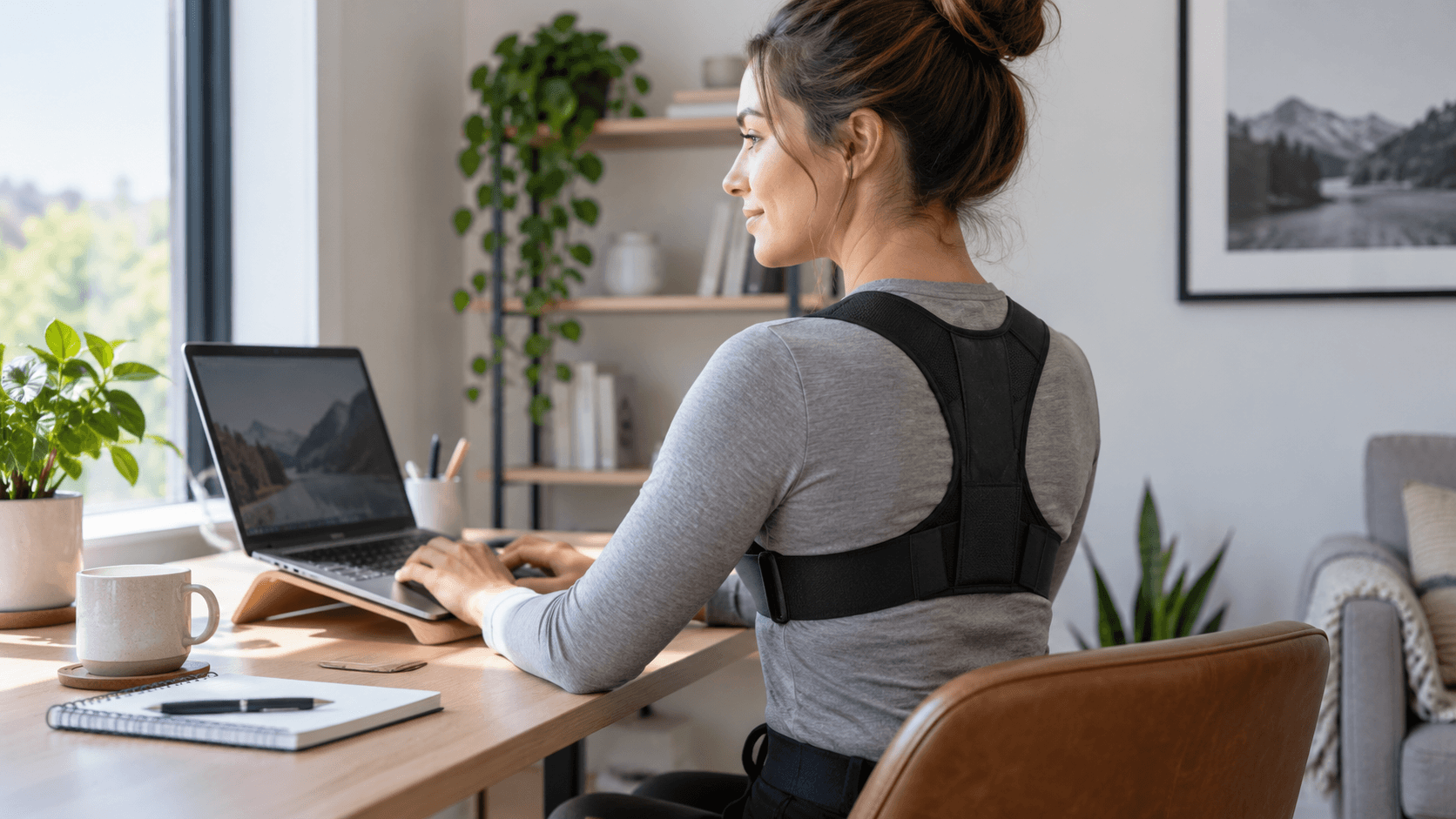
A posture corrector can be a helpful reminder, but choosing the right type matters. This guide explains how to pick the best posture corrector and use it wisely.
Long hours at desks and on phones leave many people slouching, with tight shoulders and an aching upper back. A posture corrector promises a simple nudge toward better alignment.
The best posture corrector is the one you will actually wear and that reminds you to sit tall. Users report the most benefit when they pair it with strengthening exercises.
This guide covers the main types, how to choose, and why a brace is a tool rather than a permanent fix.
How Posture Correctors Work
Most correctors gently pull the shoulders back, cuing you to straighten up. They work mainly as a reminder, not by forcing lasting change on their own.
A Reminder, Not A Crutch
Worn for short sessions, a corrector helps you notice slouching. Relying on it all day can let supporting muscles do less work.
The real goal is training your body to hold good posture without the brace over time.
Types To Consider
Figure-Eight Braces
Simple, low-profile straps that pull the shoulders back. They are affordable and discreet under clothing but offer basic support.
Full Back Braces
These support the upper and mid back more firmly and suit people wanting more structure, though they are bulkier.
Smart Posture Trainers
Small sensors that vibrate when you slouch. They train awareness without restricting movement, appealing to desk workers.
What To Look For
- Comfortable fit — adjustable and not digging into the shoulders.
- Right size — measured to your frame for effective, gentle support.
- Breathable material — so you can wear it long enough to build the habit.
- Ease of use — simple to put on solo and wear under clothes.
Comparing Posture Corrector Types
| Type | Best For | Trade-off |
|---|---|---|
Figure-eight strap | Discreet daily reminders | Basic support |
Full back brace | More structured support | Bulkier |
Smart trainer | Building awareness | Needs charging |
Choose based on how much support you want and whether discretion or feedback matters more.
Using It Safely
Start Short
Wear a corrector for short periods and build up gradually to avoid soreness. Stop if it causes pain or numbness.
If you have existing back or shoulder problems, check with a physical therapist before relying on a brace.
The Long-Term Fix
A corrector pairs best with exercises that strengthen the back and core and stretch tight chest muscles, plus a better desk setup.
Think of the brace as training wheels: helpful early on, with the goal of standing tall on your own.
Related Articles

Kegel Care App: What It Is, What's Included, and How to Manage Your Subscription
Reviews5 min read

DoKegel App Review: What It Is And How It Works
Reviews5 min read

Denali Care App Review: What It Is And How It Works
Reviews5 min read

Kegel Care App Review: How Consistent Users Report Major Improvements In Bladder Control Within 12 Weeks
Reviews5 min read

Best Collagen Powder: How To Choose One That's Worth It
Reviews5 min read

Best Daily Supplements For Men: A Simple Stack That Makes Sense
Reviews5 min read
Comments
(0)Leave a comment
Your email will not be published. All fields are required.