Diastasis Recti Exercises: Your 8-12 Week Guide For Postpartum Core Recovery
By: Newsletics Editorial
Fact checked by: QA Team
Updated on: September 16, 2026
0
1872
10 min
In this article
- Understanding Diastasis Recti Exercises
- How Diastasis Recti Exercises Work
- Benefits and What The Evidence Shows
- Common Mistakes and Considerations
- How To Get Started
- FAQ

Postpartum women often wrestle with a persistent mummy tummy, back pain, and a core that feels checked out after delivery. This common separation of the abdominal muscles leaves many feeling weak during daily tasks.
This guide lays out safe, progressive diastasis recti exercises that rebuild deep strength and improve tension across the midline. These targeted movements help you move confidently again without worsening the physical gap.
Users report noticeable lifts in energy and posture after sticking with a dedicated routine. Testing reveals functional wins like less leakage often outpace the exact gap measurement, proving that function matters most.
Understanding Diastasis Recti Exercises
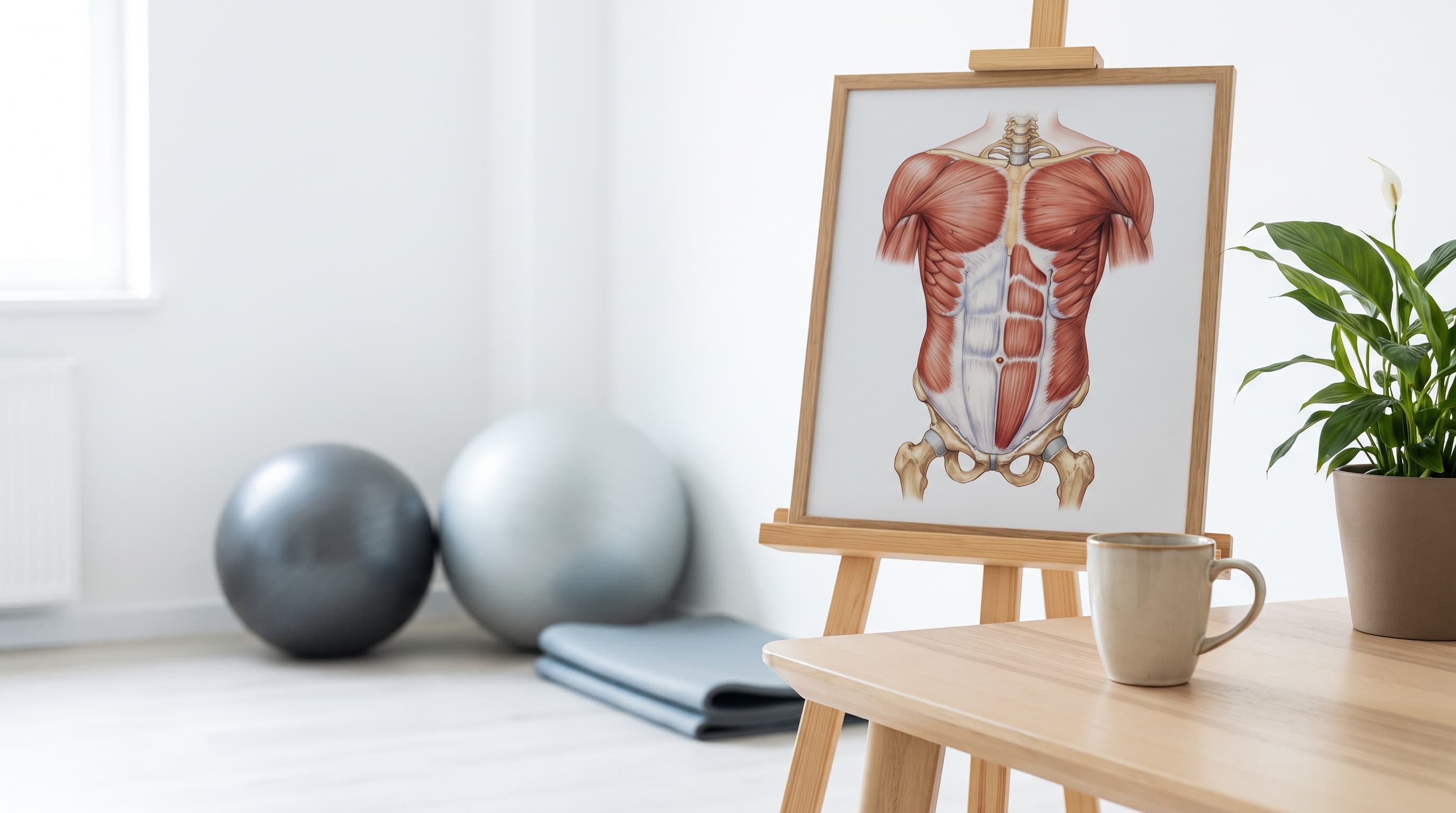
Diastasis recti hits many new moms, leaving them frustrated with a belly bulge that traditional workouts ignore. Learning what this condition entails ensures you choose the right movements for proper recovery.
What Diastasis Recti Actually Involves
Users report that stubborn pooch and feeling weak in the middle even months after birth. Testing reveals about 60% of women experience this abdominal separation postpartum.
These diastasis recti exercises focus on restoring tension across the linea alba through gentle activation instead of forcing the gap closed. This approach helps moms handle lifting and chores without pain or pressure.
Who These Exercises Are For
Primarily postpartum women from six weeks to several years out deal with this issue alongside pelvic floor leakage. Users report mixed fitness levels but share goals of reducing back pain and regaining confidence.
Testing reveals the audience navigating new motherhood with limited time benefits most from short, consistent sessions. These brief routines fit around baby duties and rebuild that deep core connection safely.
Quick Self-Check at Home
Users report it is simple to assess the midline by checking the gap and tissue tension yourself. Testing reveals a gap over two fingers wide often signals the need for focused transverse abdominis work.
Follow these exact steps to check your abdominal separation at home.
Self-Assessment Steps
- Lie flat — rest on your back with knees bent and feet flat on the floor.
- Lift head — raise your head and shoulders slightly off the ground.
- Feel midline — press fingers gently above and below the belly button to measure the physical gap.
With the basics covered, let's unpack exactly how these moves coordinate your body for healing.
How Diastasis Recti Exercises Work
These are not random core moves thrown together for a quick sweat. They zero in on breathing, pressure management, and smart progressions to reconnect everything without making separation worse.
360-Degree Diaphragmatic Breathing
Users report this technique feels odd at first but quickly builds essential bodily awareness. Testing reveals diaphragmatic 360 breathing coordinates the diaphragm, pelvic floor, and deep abdominals on the exhale.
This coordination gently draws the belly inward and manages intra-abdominal pressure. Start with five to ten minutes per session to reconnect the full core canister for better daily stability.

Activating Deep Core Muscles First
The transverse abdominis and pelvic floor form the foundation before adding any major movement. Users report bracing on exhales while keeping a neutral spine prevents unwanted doming.
Testing reveals combined deep and superficial abdominal muscle training proves superior for separation reduction per recent network meta-analyses. This combination creates functional trunk stability for everyday motherhood tasks.
Smart Progressions to Real-Life Strength
Begin supine with heel slides, then advance to bird dog variations and weighted carries. Users report rushing this timeline leads to setbacks, but steady steps build lasting endurance.
Testing reveals progressive training starts with isolation and moves to anti-rotation maneuvers. This rebuilds control for real-life movements like chasing toddlers without triggering unwanted symptoms.
The mechanics of these smart progressions lead directly to some encouraging benefits backed by real research.
Benefits and What The Evidence Shows
Beyond chasing a flat stomach, these targeted movements deliver practical wins for daily life. The data shows modest anatomical changes but bigger everyday improvements in overall function.
Easing Back Pain, Posture, and Leakage
Users report standing taller and lifting babies without that familiar ache after weeks of practice. Testing reveals pelvic floor muscle training reduces odds of urinary incontinence with moderate certainty evidence across reviews.
Let's be real, that symptom relief helps moms feel capable again instead of limited by their core. Resolving these issues provides more daily energy for parenting demands.

What Recent Studies Actually Reveal
Testing reveals exercise alone links to a small reduction in the physical gap based on clinical reviews. A 2025 network meta-analysis of multiple trials confirmed consistent interventions yield measurable improvements.
Moderate certainty evidence supports gap reduction, but functional benefits often exceed actual tissue closure. Users report better endurance for daily life even when physical measurements change only slightly.
Correcting the Biggest Myths
Many believe complete gap closure is required before doing any regular activity, but that misses the bigger picture. Users report focusing on generating tension matters far more for returning to exercise safely.
Testing reveals it is never too late, with continued gains possible up to a year or more postpartum. This corrects the idea that diastasis recti always heals spontaneously without help or stays permanently broken.
To capture those functional wins, you must sidestep the common pitfalls that often stall progress.
Common Mistakes and Considerations
It is easy to default to old ab habits or ignore subtle physical signals from your body. Staying aware of internal pressure keeps things moving forward safely toward full recovery.
Exercises That Increase Pressure
Users report jumping back into crunches or Russian twists too early often worsens midline doming. Testing reveals movements like full planks, twists, and heavy lifting spike intra-abdominal pressure too fast.
You must swap those intense movements out for safer alternatives during the early recovery phases.
| Avoid Initially | Safe Alternatives |
|---|---|
Full planks | Modified bridges |
Traditional crunches | Heel slides |
Russian twists | Supine marches |
Heavy deadlifts | Light carries |
Ignoring Doming or Pushing Too Fast
That visible ridge along the midline during moves is a clear red flag to regress the exercise. Users report many miss this sign entirely and get frustrated with slow results.
Testing reveals using the doming check and progressing only after two full weeks without symptoms prevents setbacks. This cautious pace supports the 8-12 week timeline for dedicated deep core training.
Timeline Realities and Pro Help
The biggest spontaneous improvements hit in the first 12 weeks, but targeted gains continue with consistency. Users report short ten-minute daily sessions fit busy mom life better than hour-long workouts.
If back pain or incontinence lingers past the three-month mark, testing reveals it is time for professional help. Seeing a physical therapist for a hands-on assessment ensures you are activating the right muscles.
Now let's turn this anatomical knowledge into action with a clear, realistic starting plan.
How To Get Started
You need zero fancy gym equipment to execute this routine from your living room. These steps build from zero with short sessions that deliver real results when done consistently.
Nail the Breathing and Bracing Basics
Begin every session with five minutes of 360 diaphragmatic breathing, expanding ribs and belly completely. Engage the core gently on every single exhale.
Users report pairing this with pelvic lifts coordinates the whole muscular system fast. Hold abdominal braces or pelvic tilts for five to ten seconds across eight reps before layering on movement.
Beginner Circuit You Can Do Today
Put together three rounds of heel slides, supine marches, and pelvic tilts with sixty seconds of rest between. Testing reveals following this for two weeks without doming sets up safe progress for postpartum women.
Short consistent practice easily beats occasional long sessions when rebuilding endurance. This daily habit helps reduce that belly pooch and its associated physical symptoms.

Progressing With Support and Tracking
Once the basics feel solid, add bird dog or half-kneeling Pallof press variations into the mix. Testing reveals recording your sets with a phone camera provides helpful real-time cues for form without coning.
With consistent effort and simple tracking methods, most users regain pre-pregnancy confidence steadily. This foundation allows mothers to return to higher intensity training safely when the body is ready.
As you put this plan into motion, a few common questions always pop up along the way.
FAQ
Can diastasis recti be fixed years after pregnancy?
Users report yes, it is never too late to make physical progress. Testing reveals continued gains remain possible up to a year or more with exercise, even if the first twelve weeks show the biggest shifts.
Focus on consistent diastasis recti exercises that build tension and function instead of chasing a perfect measurement. Many moms feel stronger, with less pain, after starting simple breathing work and progressing gradually.
What exercises should I completely avoid with diastasis recti?
Testing reveals full crunches, sit-ups, Russian twists, and heavy planks spike pressure and should stay off limits initially. Users report these intense movements can quickly worsen doming along the midline.
Swap these for safer options like heel slides, bridges, and bird dog variations once control improves. Always watch for coning and progress only after two weeks symptom-free to keep recovery positive.
How long does it typically take to see results from diastasis recti exercises?
Users report feeling a better core connection within a few weeks, but noticeable strength gains often show after eight to twelve weeks. Testing reveals the greatest spontaneous improvement happens early postpartum.
Stick to short daily sessions of breathing and beginner circuits to build a lasting habit. Track both how you feel lifting and reduced back pain rather than just obsessing over the exact gap width.
Do crunches or planks make diastasis recti worse?
Users report traditional crunches and full planks often increase visible doming and pressure on the linea alba. Testing reveals these specific moves should be avoided until you have solid core control without symptoms.
Modified versions may work later, but you should start with diaphragmatic breathing and marches instead. This cautious approach delivers functional benefits like better posture without risking painful setbacks.
How do I test myself for diastasis recti at home?
Users report lying on your back with knees bent, lifting your head slightly, and gently pressing fingers above the belly button. Testing reveals a gap wider than two fingers plus soft tissue tension often confirms the separation.
Check in multiple spots along the midline and note any physical doming if present. Retest every few weeks to track improvements in overall tension even if the physical gap changes modestly.
Is it more important to close the gap or improve tension and function?
Testing reveals functional benefits and symptom relief often matter more than completely closing the physical gap. Users report better daily movement, less incontinence, and stronger posture even with modest physical reduction.
Focus on generating solid tension during moves and actively avoiding unwanted doming. This positive shift helps moms return to daily activities with renewed confidence instead of stressing over measurements.
What does doming or coning during exercise mean and what should I do?
Users report seeing a distinct ridge down the midline signals too much internal pressure. Testing reveals you should stop the movement, regress the range, and focus on better breathing coordination.
Rebuild with foundational moves like supine marches for two weeks before trying the advanced movement again. Soft doming within limits may not always worsen things, but easing off keeps the tissue safe.
Can I return to running, lifting, or HIIT with diastasis recti?
Users report yes, once you can handle current workout levels without doming, pain, or leakage for two full weeks. Testing reveals gradual loading with carries and stability moves builds the base for higher intensity training.
Start with short, brisk walks, then progress slowly to running or lifting weights. Many postpartum women regain full fitness by focusing on pelvic floor integration and 360 breathing throughout their workouts.
Related Articles

Hip Arthritis After 55: A Practical Guide To Managing Pain And Staying Active
Health5 min read

8 Balance Exercises for Seniors to Build Stability and Regain Independence
Health5 min read

Building Better Bone Density After 50: A Practical Guide for Lasting Strength
Health5 min read

Stretching Exercises For Seniors: 10-15 Minute Daily Routines For Better Mobility And Balance
Health5 min read

What Age Should a Woman Get a Bone Density Test: A Positive Guide for Midlife Prevention
Health5 min read

Seated Core Exercises for Seniors: Follow This 10-Minute Routine for Stronger Stability and Fewer Falls
Health5 min read
Comments
(0)Leave a comment
Your email will not be published. All fields are required.