Male Urinary Incontinence: Your Guide to Lasting Improvement in 6-12 Months
By: Newsletics Editorial
Fact checked by: QA Team
Updated on: September 17, 2026
0
1765
10 min
In this article
- Understanding Male Urinary Incontinence
- How Male Urinary Incontinence Works
- Benefits and What The Evidence Shows
- How To Get Started
- Common Mistakes and Considerations
- FAQ

Middle-aged and older men dealing with male urinary incontinence often face stigma, but users report major quality-of-life gains once they address it. Common triggers include post-prostatectomy changes or benign prostatic hyperplasia (BPH).
Testing reveals that effective options, from simple exercises to corrective surgery, help most men reduce leaks and regain their confidence. This guide covers the specific types, underlying mechanisms, and evidence-backed steps required to build a practical daily routine.
Understanding Male Urinary Incontinence
This opening breaks down what male urinary incontinence involves for the men it hits hardest. Users report the embarrassment factor is real, but positive management leads to fewer limitations in work, exercise, and relationships.
Who Experiences It and Why It Matters
The prevalence of any leakage episode in the past 12 months rises from 5% in ages 19 to 44 up to 21% in men over 65, according to UpToDate (2025). Despite this frequency, only one in five men seek care due to societal stigma.
This condition impacts social activities, intimacy, and correlates with higher depression rates. However, users report regaining confidence and reducing daily pad use through targeted approaches.
Middle-aged and older men facing prostatectomy recovery or BPH form the core audience for these interventions. They benefit most from taking early, proactive action.
The Main Types Men Deal With
Stress incontinence occurs during physical exertion, while urge incontinence stems from sudden bladder contractions. Overflow incontinence results from incomplete emptying, often tied to BPH, and mixed forms combine these symptoms.
Testing reveals urge symptoms are the most bothersome for men, and they value its improvement more than other issues, per EAU Guidelines (2022). Identifying the exact pattern leads to better daily control.
| Incontinence Type | Primary Trigger |
|---|---|
Stress | Physical exertion or coughing |
Urge | Sudden detrusor contractions |
Overflow | Incomplete bladder emptying |
Mixed | Combination of triggers |
Recognizing When to Seek Evaluation
Initial evaluation starts with using a three-day bladder diary to log triggers before seeing a urologist. Men are half as likely as women to seek care, often delaying helpful interventions.
Practical challenges with exercise, travel, or intimacy improve once addressed, countering the misconception that leaks are an untreatable part of aging. Specialist input helps distinguish causes like post-prostatectomy sphincter damage versus detrusor overactivity for faster progress.
With the foundations clear, testing reveals the specific body mechanisms at play so men can match solutions to the real issue.
How Male Urinary Incontinence Works
Understanding the pathophysiology in plain language helps demystify the condition without overwhelming readers. Users report that knowing why leaks happen during specific movements removes fear and points directly to practical fixes.
Stress Incontinence and Sphincter Function
Stress leakage happens when abdominal pressure from coughing, laughing, or exercising exceeds the weakened urethral sphincter closure. This commonly occurs after prostate surgery damages the external sphincter complex.
The external urethral sphincter serves as the primary continence mechanism in men. Men without a functional internal sphincter can stay continent if the external one and supporting structures remain intact.
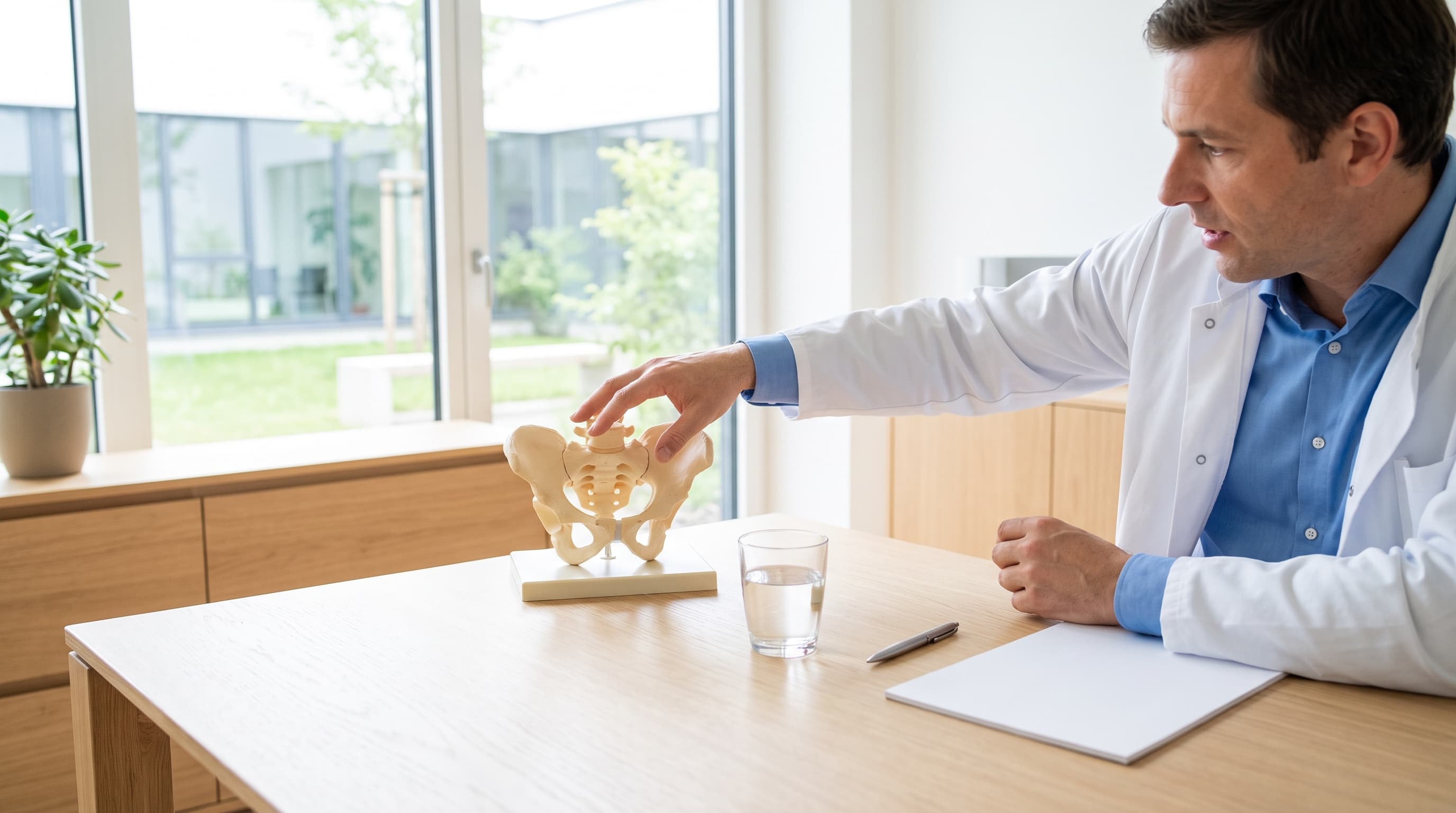
This specific anatomical mechanism responds well to targeted strengthening routines.
Urge Incontinence from Detrusor Overactivity
This form occurs when the detrusor muscle contracts involuntarily and suddenly. It is often triggered by aging, localized irritation, or a loss of central nervous system inhibition.
Prevalence sits between 40% and 80% among incontinent men, making it the most bothersome symptom according to EAU Guidelines (2022). Sudden urges can easily disrupt work meetings or social events.
Fortunately, bladder training and specific medications target this exact muscular mechanism effectively.
Overflow Incontinence and Other Variations
Overflow issues develop when the bladder cannot empty fully due to an obstruction like an enlarged prostate or a weak detrusor muscle. This causes constant dribbling as the bladder overfills.
Mixed types combining stress and urge elements are also common after prostate treatment. Post-micturition dribble is a frequent, related issue that men can actively manage.
These biological mechanisms explain why the right interventions deliver real results, as the clinical evidence clearly demonstrates.
Benefits and What The Evidence Shows
Testing reveals encouraging data on conservative and medical paths that help men cut pad use and boost daily confidence. Grounding these steps in concrete findings helps correct outdated ideas about recovery.
Pelvic Floor Training Outcomes
Pelvic floor muscle training strengthens the external sphincter and stands as a first-line conservative intervention. When performed correctly, it improves continence after prostatectomy, as supported by NHS resources and multiple randomized trials.
A common misconception suggests Kegel exercises are only for women or ineffective for men after prostate surgery. In reality, users report fewer leaks during exercise and daily movements after consistent practice.
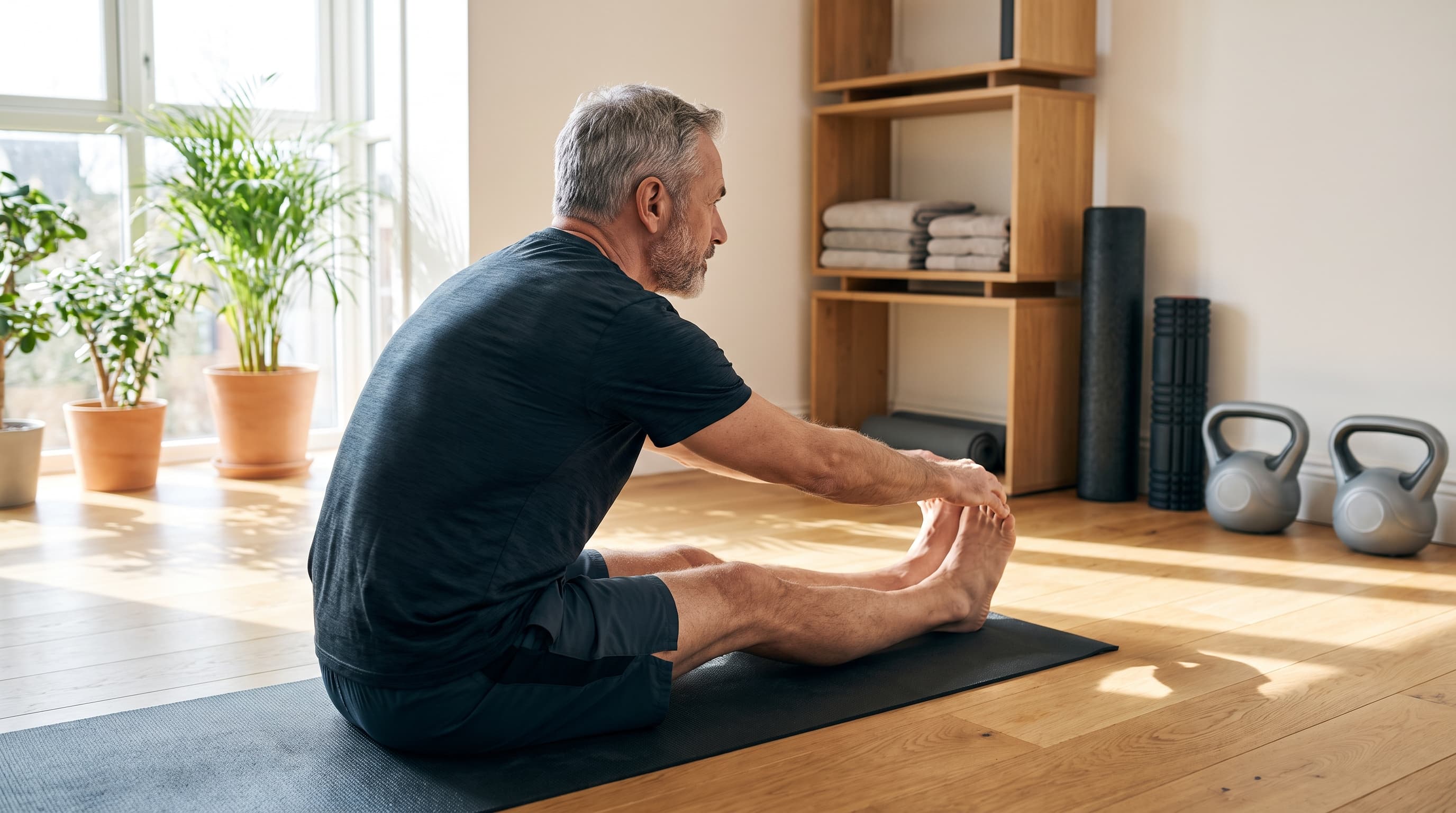
This strengthening routine directly impacts quality of life and helps reduce associated depression rates.
Medication, Lifestyle Changes, and Recovery Data
Medications like mirabegron reduce urgency, frequency, and leakage episodes versus placebo in men with overactive bladders. Pooled analyses cited in EAU and European Urology reviews show good tolerability.
Significant improvement often occurs over a 6 to 12-month period post-prostatectomy. Prevalence of symptoms roughly doubles from ages 45 to 64 compared to those over 65.
Lifestyle tweaks, such as limiting caffeine, help active men maintain their routines without constant worry.
Advanced Options for Persistent Cases
For severe post-prostatectomy stress issues, an artificial urinary sphincter achieves high dryness rates. Selected studies in the Journal of Urology (2026) report 60% to 72% zero pad use at one year.
This route offers freedom from leaks during intimacy or physical activity when earlier steps need backup. It counters the idea that all incontinence after prostate surgery is permanent.
Turning this knowledge into action is straightforward with a few tested starting steps, as gradual gains continue up to 24 months.
How To Get Started
This hands-on phase walks through daily routines that fit easily into work, exercise, and social life. Users report that small, consistent habits deliver noticeable leakage reductions within a matter of weeks.
Learning Correct Pelvic Floor Techniques
Performing pelvic floor muscle contractions correctly involves tightening the muscles used to stop urine flow or passing gas. Establishing a reliable daily habit makes all the difference.
Daily Exercise Steps
- Contract — tighten the muscles used to stop urine
- Hold — maintain the contraction for 5 to 10 seconds
- Release — relax the pelvic floor completely
- Repeat — perform 3 sets of 10 repetitions daily
Combining this with biofeedback or supervised physical therapy ensures better technique and faster results in post-prostatectomy recovery. Starting immediately after catheter removal sets men up for steady improvement over 6 to 12 months.
Daily Bladder Training and Lifestyle Tweaks
Bladder training utilizes scheduled voiding every two to three hours. Double voiding, which involves waiting 30 seconds after finishing and trying again, helps ensure complete emptying.
Gradually extending these intervals while limiting bladder irritants like caffeine, alcohol, and spicy foods yields better control. Addressing constipation through diet is also vital, since straining worsens pelvic floor weakness.
For discreet protection during the adjustment phase, many active men turn to absorbent guards. These well-positioned options support exercise and travel without drawing attention.
Tracking Progress and Adding Supportive Habits
Tracking symptoms with a three-day bladder diary helps spot triggers before specialist visits. Men should log fluid intake, voiding times, and specific leakage episodes.
Performing a bulbar massage, often called milking the urethra, after urinating reduces post-micturition dribble. Seeking specialized pelvic floor physiotherapy rather than generic advice ensures correct technique.
Staying consistent pays off, but avoiding a few common traps accelerates the path to better control.
Common Mistakes and Considerations
Even motivated men hit snags that slow progress, yet testing shows sidestepping them leads to faster wins and sustained results. Establishing realistic guardrails keeps the focus strictly on empowerment.

Addressing Stigma and Mental Health Impacts
Urinary leakage can have a greater emotional and social impact on quality of life in men than women. It is associated with higher depression rates per UpToDate (2025).
Despite this, users report that open conversations and structured routines restore intimacy and social activities. It is not exclusively a women's health issue, given the 12.4% prevalence in U.S. community-dwelling men.
Seeking care early prevents men from unnecessarily limiting their exercise or travel habits.
Technique and Timeline Pitfalls
Incorrect pelvic floor technique limits benefits and wastes valuable effort. Another major mistake is expecting overnight fixes rather than the realistic 6 to 12-month improvement window after prostatectomy.
Evidence for extracorporeal magnetic stimulation shows faster early continence recovery versus pelvic floor therapy alone, but similar long-term outcomes.
Men should avoid assuming adult diapers are the only long-term solution, since combined strategies actively reduce reliance.
Moving Forward with Specialist Input
Following a proper decision tree dictates when to progress from conservative care to medications or surgery. Options like male slings become relevant if leaks persist at 12 months.
Choosing correctly sized male-specific absorbent products avoids skin irritation, and supervised programs yield better overall adherence.
Exploring supportive physical tools alongside professional guidance helps many men maintain active, confident lives.
FAQ
How long does male urinary incontinence typically last after prostate surgery?
Significant improvement often occurs over 6 to 12 months with pelvic floor training, though gains can continue up to 24 months. Users report reduced pad use and better confidence during physical activity as recovery progresses.
The artificial urinary sphincter achieves around 60% to 72% zero pad use at one year when needed, per the Journal of Urology (2026).
Are pelvic floor exercises actually effective for men with male urinary incontinence?
When performed correctly with three sets of 10 daily contractions held for 5 to 10 seconds, pelvic floor muscle training improves continence after prostatectomy. These exercises strengthen the external sphincter, which serves as the primary continence mechanism in men.
Users report fewer leaks during coughing or laughing after consistent practice with proper technique or biofeedback.
What is the difference between stress, urge, and overflow incontinence in men?
Stress leaks happen from pressure on a weakened sphincter after surgery, while urge leaks stem from sudden detrusor contractions. Urge symptoms remain the most bothersome according to EAU Guidelines (2022).
Overflow leakage occurs from an overfull bladder due to BPH causing a constant dribble. Identifying the specific type directly guides effective solutions like bladder training or medications.
How can men manage leaks during exercise, laughing, or intimacy?
Combining pelvic floor contractions before activities with bladder training increases capacity and control. Weight management also lowers abdominal pressure, further reducing stress on the external sphincter.
Practical tips include using the milk the urethra technique for post-micturition dribble and choosing well-fitted male guards. After 6 to 12 months of consistent routines, many regain confidence for physical and intimate moments.
When should medications or surgery like a sling or artificial sphincter be considered?
Men should start with three months of pelvic floor training and lifestyle changes before considering medications. Mirabegron significantly reduces urge episodes per pooled analyses of randomized trials.
For persistent stress leakage beyond 12 months, surgical options like slings or artificial sphincters deliver 60% to 72% dryness rates at one year. These options offer positive progression when conservative steps need support.
How do men cope with the embarrassment of male urinary incontinence?
Only one in five men seek care due to stigma, but those who do report lower depression and a restored social life. Tracking symptoms privately with a bladder diary and consulting a pelvic floor physiotherapist provide actionable first steps.
Focusing on gradual wins like fewer leaks after 6 to 12 months builds momentum. This condition is common, reaching 21% prevalence in men over 65, so no one faces it alone.
What practical tips help with post-micturition dribble?
The bulbar massage, often called the milk the urethra technique, helps clear residual urine after voiding to reduce leaks. Pairing this action with pelvic floor exercises held for 5 to 10 seconds three times daily provides effective management.
Avoiding constipation also prevents unnecessary pelvic floor strain. Users report this simple habit prevents embarrassing spots during daily activities.
Is male urinary incontinence permanent or are there non-surgical solutions?
The condition is rarely inevitable or permanent. Pelvic floor training consistently improves continence post-prostatectomy, and medications like mirabegron manage urge symptoms effectively.
Many men reduce or eliminate leaks within 6 to 12 months without surgery through consistent lifestyle and exercise routines. Regaining quality of life remains the primary focus, proving that absorbent pads are not the only answer.
Related Articles

Hip Arthritis After 55: A Practical Guide To Managing Pain And Staying Active
Health5 min read

8 Balance Exercises for Seniors to Build Stability and Regain Independence
Health5 min read

Building Better Bone Density After 50: A Practical Guide for Lasting Strength
Health5 min read

Stretching Exercises For Seniors: 10-15 Minute Daily Routines For Better Mobility And Balance
Health5 min read

What Age Should a Woman Get a Bone Density Test: A Positive Guide for Midlife Prevention
Health5 min read

Seated Core Exercises for Seniors: Follow This 10-Minute Routine for Stronger Stability and Fewer Falls
Health5 min read
Comments
(0)Leave a comment
Your email will not be published. All fields are required.