Access personalized exercise plans to naturally improve sexual performance and stamina.
Try DoKegel today
Pelvic Pain for Men: Your 8-12 Week Guide to Relief Through Relaxation
By: Newsletics Editorial
Fact checked by: QA Team
Updated on: September 16, 2026
0
1899
11 min
In this article
- Understanding pelvic pain for men
- How It Works
- Benefits and What The Evidence Shows
- How To Get Started
- Common Mistakes and Considerations
- FAQ

Many individuals dealing with pelvic pain for men report ongoing frustration after negative infection tests and failed courses of antibiotics. Testing reveals that tight pelvic floor muscles often drive these exact symptoms in men under 50.
This guide provides a positive, practical walkthrough of the common causes and evidence-based relaxation steps for self-management. Consistent practice brings measurable improvement for most, reducing daily interference with work, intimacy, and bathroom habits.
Understanding pelvic pain for men
Users report persistent aching, burning, or pressure in the perineum, penis, testicles, or rectum that disrupts daily life. This pattern affects sitting, exercise, and relationships, requiring a clear understanding of its origins straight from clinical data.
What It Feels Like Day to Day
Users report a golf ball sensation in the rectum, alongside pain during or after urination, ejaculation, or bowel movements. Urinary urgency and sexual issues like erectile discomfort often accompany these physical sensations.
Testing reveals men typically under 50 with desk jobs or high stress form the core audience for these symptoms. Urologists frequently find no active infection during examinations.

These issues cut into concentration at work, sleep quality, and physical activity routines. Relief is entirely possible through targeted relaxation techniques rather than repeated rounds of antibiotics.
Why Antibiotics Frequently Fall Short
While two to ten percent of men suffer prostatitis symptoms, only five to ten percent of cases are actually bacterial according to data from Franz et al., 2023. Users report repeated antibiotic courses fail because the root issue involves hypertonic pelvic muscles.
A chronic pelvic pain syndrome (CPPS) diagnosis typically applies when pain lasts at least three of the past six months with no identifiable pathogen. This diagnosis shifts the focus to musculoskeletal factors that respond better to physical therapy.
Who It Impacts Most
In one clinical review, the average age was 41 years, and 80 percent of men reported high stress levels according to the Pelvic Pain Foundation of Australia. Users report symptoms worsening with prolonged sitting, poor lifting form, constipation, or anxiety.
While any age group can experience this, the majority seeking urological care for pelvic pain under 50 deal with CPPS rather than classic prostate infections. Now that the picture is clearer, it helps to unpack exactly how tight muscles keep this discomfort going.
How It Works
Most male pelvic pain stems from hypertonic muscles and central sensitization instead of active infection. This breakdown explains the physiological mechanisms so the logic behind relaxation techniques becomes clear.
Hypertonic Pelvic Floor Muscles and Trigger Points
A hypertonic pelvic floor involves chronically tight muscles that develop trigger points, which refer pain to the penis, testicles, perineum, and rectum. This tension disrupts normal urination, defecation, and sexual function.
Users report this guarding pattern often starts after a physical strain, a past infection, or prolonged stress. Poor posture, abdominal bracing, and glute tightness feed the cycle over time.
This sequence turns an initial trigger into ongoing discomfort, even after the original cause resolves.
CPPS as a Neuromuscular and Sensitization Issue
CPPS functions as a neuromuscular condition where an initial trigger leads to persistent muscle guarding and amplified nervous system pain signals. This explains why pain continues for months despite negative laboratory tests.
Stress and anxiety further increase pelvic floor tone, creating a feedback loop of tension and discomfort. Relaxation practices help interrupt this specific cycle.
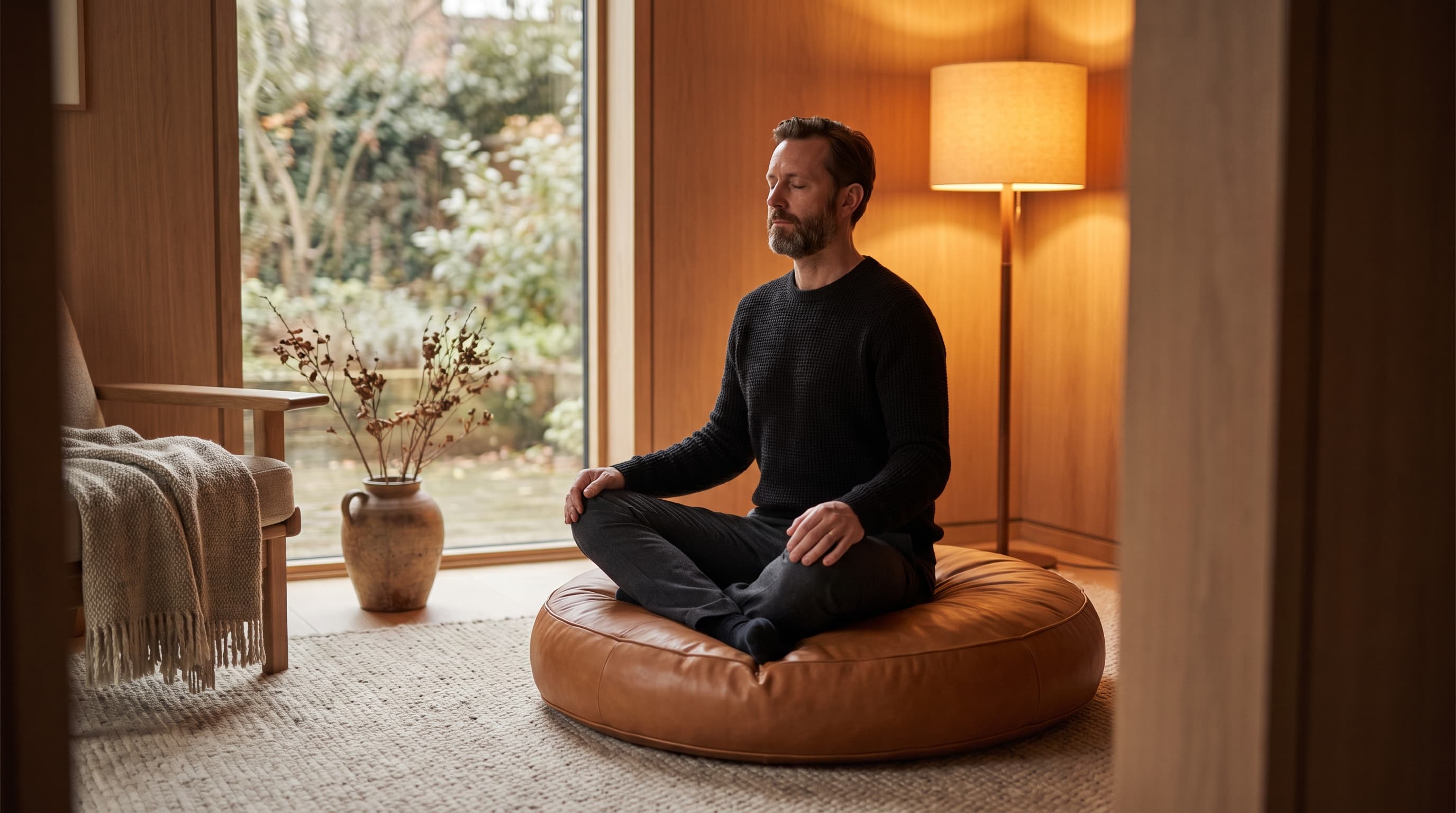
For those looking to break this neuromuscular loop at home, DoKegel provides a structured approach to male sexual wellness and pelvic floor control. The platform delivers personalized Kegel and reverse Kegel exercise plans that adapt to individual progress over time.
It helps users target hypertonic muscles through guided audio and video sessions, ensuring proper form to avoid further strain. What sets DoKegel apart is its daily habit tracker for wellness routines and hydration, which are crucial for reducing muscle spasms.
Many people find the app's lifestyle challenges keep them consistent during the initial phases of retraining their nervous system.
The Mechanics of Diaphragmatic Breathing and Reverse Kegels
Diaphragmatic breathing works because deep belly breaths let the diaphragm descend naturally. This mechanically lengthens and relaxes the pelvic floor on inhalation to lower resting tone.
Reverse Kegels involve a gentle drop or widening of the sitting bones and perineum as if starting urine flow, holding the relaxation for three to five seconds. Users report these movements restore coordination and blood flow.
Practicing these techniques consistently breaks the pain-tension cycle better than forceful straining. With the physical mechanics established, the evidence supporting these methods is quite encouraging.
Benefits and What The Evidence Shows
Testing reveals real improvements for men who shift from standard medical management to pelvic floor relaxation and physical therapy. This corrects the common misconception that pelvic pain in men requires medication.
Relief Rates from Pelvic Floor Physical Therapy
In a prospective pilot study, 50 percent of men with idiopathic CPPS showed robust improvement after comprehensive pelvic floor physical therapy. An additional 20 percent showed moderate improvement after incorporating manual therapy and relaxation exercises.
Users report experiencing less pain during urination, ejaculation, and sitting after eight to twelve weeks of dedicated practice. Focusing on down-training rather than strengthening offers a positive path forward.
| Condition Aspect | CPPS Profile | Bacterial Profile |
|---|---|---|
Root Cause | Muscle tension | Active infection |
Prevalence | 90 to 95% | 5 to 10% |
Treatment Focus | Physical therapy | Antibiotics |
How Stress Reduction and Breathing Change Symptoms
High stress appears in 80 percent of men seeking care for pelvic pain, with diaphragmatic breathing directly lowering pelvic floor tone. These techniques effectively interrupt the central sensitization loop that maintains chronic pain.
Consistent five to ten-minute sessions performed two to three times daily lead to better urinary flow and fewer sexual issues. This approach also improves sleep quality without the side effects associated with medication.
Integrating these daily breathing routines is much easier when using structured reminders from DoKegel. The application features a specialist-curated article library that keeps users informed about how stress impacts sexual performance and stamina.
Utilizing these expert resources helps individuals maintain focus on their recovery goals rather than getting discouraged during flare-ups.
Longer-Term Quality of Life Gains
Biofeedback-assisted pelvic floor interventions improve muscle function, reduce symptoms, and enhance overall quality of life. Users report regaining comfort with exercise, intimacy, and work after learning to manage physical triggers.
Evidence supports multimodal relaxation, posture work, and physical therapy for lasting management in most CPPS cases. Ready to try these approaches? The next section outlines simple starting steps with concrete timelines.
How To Get Started
Users see initial tension relief within two to four weeks when practicing daily with the correct techniques. This practical sequence helps men build sustainable habits that fit into busy schedules.
Begin with Diaphragmatic Breathing
Practice diaphragmatic breathing for five to ten minutes, two to three times daily by inhaling deeply into the belly. Allow the pelvic floor to gently lengthen and drop on the inhale.
Users report this foundational step alone eases the golf ball sensation and urinary urgency when done consistently. Keep the breathing subtle and pair it with good posture throughout the day.
Tracking changes in a daily journal helps monitor progress over the typical eight to twelve-week timeline.

Add Reverse Kegels for Active Relaxation
After breathing feels natural, perform reverse Kegels by gently bearing down or widening the perineum on the exhale. Hold the relaxation phase for three to five seconds for eight to ten repetitions twice daily.
Testing reveals this opposite-of-squeeze movement restores flexibility without causing further strain. Avoid forceful pushing, and use warm sitz baths for ten to fifteen minutes during flares to promote release.
Layer in Professional Support and Daily Habits
Consulting a pelvic floor physical therapist experienced with men's health provides essential assessment and manual trigger point release. Incorporate standing every 30 minutes, gentle hip stretches, and active stress management.
Building a supportive daily routine requires several focused adjustments to maintain progress.
Daily supportive habits
- Frequent movement — stand up every 30 to 45 minutes during the workday
- Hydration — drink adequate water to avoid concentrated urine irritating the bladder
- Posture support — use lumbar rolls to maintain neutral spine alignment
To manage this multifaceted routine, DoKegel offers exclusive audio and video content created to perfectly fit a busy lifestyle. Following the guided Kegel exercises designed to improve stamina and blood flow provides a discreet, non-invasive way to enhance control at home.
Many find the structured progression prevents the common mistake of overtraining sensitive pelvic muscles. Even with the best plan, recognizing common pitfalls ensures progress continues smoothly.
Common Mistakes and Considerations
Testing reveals certain habits can worsen hypertonicity, so steering clear of them keeps recovery on track. Understanding these realistic limitations helps set the right expectations.
Why Standard Kegels Can Backfire
Many assume regular Kegels help any pelvic issue, yet testing reveals strengthening too early increases tension and pain in hypertonic cases. Users report tighter symptoms after overdoing squeezes instead of focusing on reverse Kegels.
Once relaxation improves after four to six weeks, controlled strengthening can be added. This should only happen under professional guidance to prevent symptom setbacks.
Ignoring Stress, Posture, and Triggers
Prolonged sitting or abdominal bracing keeps the pain cycle alive and directly raises pelvic floor tone. Users report worse perineal pain after desk marathons or straining on the toilet.
Address this by using lumbar support, practicing progressive relaxation, and tracking physical triggers. Relying solely on rest or donut cushions fails to build active muscle control.
Realistic Timelines and Red Flags
Many notice initial tension relief within two to four weeks of consistent practice, with fuller gains taking eight to twelve weeks. Symptoms present for at least three of the past six months still require ruling out other pathologies first.
Seek urgent care for sudden severe pain, blood in urine, or fever. For chronic patterns, evidence supports steady self-management plus physical therapy for long-term success.
Readers often have similar questions regarding their symptoms, so the following answers address them directly.
FAQ
Is my pelvic pain prostatitis or is it my pelvic floor muscles?
While symptoms overlap, testing reveals only five to ten percent of prostatitis cases are bacterial. The rest represent CPPS driven by hypertonic muscles according to clinical data.
Negative infection tests point toward muscle tension treatable with relaxation techniques and physical therapy. Many men in studies see robust improvement after targeted therapy.
Why didn't antibiotics help my symptoms?
Antibiotics target bacteria, yet research shows the vast majority of chronic prostatitis symptoms stem from non-bacterial CPPS involving tight muscles. Users report ongoing burning or urgency because the neuromuscular loop remains unaddressed.
Evidence shows relaxation, breathing, and manual therapy deliver better results than repeated medication courses. Shifting to down-training techniques offers lasting relief.
What is a reverse Kegel and how do I do it without straining?
A reverse Kegel is a gentle lengthening or drop of the pelvic floor on exhale, as if beginning to urinate, held for three to five seconds. Testing reveals this restores flexibility when kept subtle.
Pairing this movement with diaphragmatic breathing rather than forceful bearing down prevents further irritation. Eight to ten repetitions twice daily is typically recommended.
Can tight pelvic floor cause burning at the tip of the penis or testicular pain?
Yes, hypertonic pelvic muscles develop trigger points that refer pain exactly to the penis tip, testicles, perineum, and rectum. Users report these classic CPPS patterns persist even after suspected infections resolve.
CPPS accounts for the majority of pelvic pain cases in men under 50 seeking urological care. Relaxation techniques successfully break this cycle.
How long does pelvic floor physical therapy take to work for men?
Programs typically involve eight to twelve weeks for measurable symptom reduction according to prospective studies. Many notice easier urination and less discomfort in the first two to four weeks.
Individual results vary based on consistency and personal stress levels. Combining professional therapy with daily home practice yields the best functional gains.
Is it normal to feel a 'golf ball' sensation in the rectum?
Yes, users frequently describe this exact sensation as a common CPPS symptom caused by tight muscles referring tension to the area. Testing reveals it often improves with diaphragmatic breathing.
This sensation is not permanent and evidence shows significant relief for men who address posture and triggers alongside daily relaxation exercises.
Can stress or anxiety make pelvic pain worse?
Emotional tension directly increases pelvic floor muscle tone and central sensitization, with high stress reported in 80 percent of clinic patients. Users report flares during work pressure or after poor sleep.
Mindfulness or progressive relaxation added to breathing practice helps break this loop effectively. Many regain control within eight to twelve weeks of consistent habits.
Are regular Kegels good or bad if I have pelvic pain?
For most men with pelvic pain, regular Kegels are counterproductive early on because they can worsen hypertonicity and trigger points. Relaxation or reverse Kegels should always come first to restore normal coordination.
Once symptoms ease after several weeks, guided strengthening may help under professional supervision. Success rates are much higher when focusing on down-training initially.
Related Articles

Hip Arthritis After 55: A Practical Guide To Managing Pain And Staying Active
Health5 min read

8 Balance Exercises for Seniors to Build Stability and Regain Independence
Health5 min read

Building Better Bone Density After 50: A Practical Guide for Lasting Strength
Health5 min read

Stretching Exercises For Seniors: 10-15 Minute Daily Routines For Better Mobility And Balance
Health5 min read

What Age Should a Woman Get a Bone Density Test: A Positive Guide for Midlife Prevention
Health5 min read

Seated Core Exercises for Seniors: Follow This 10-Minute Routine for Stronger Stability and Fewer Falls
Health5 min read
Comments
(0)Leave a comment
Your email will not be published. All fields are required.