Healing Meditation: Your Practical Guide to 11-Minute Daily Sessions for Pain Relief and Emotional Healing
By: Newsletics Editorial
Fact checked by: QA Team
Updated on: September 16, 2026
0
1067
11 min
In this article
- Understanding Healing Meditation
- How It Works
- Benefits and What The Evidence Shows
- How To Get Started
- Common Mistakes and Considerations
- FAQ
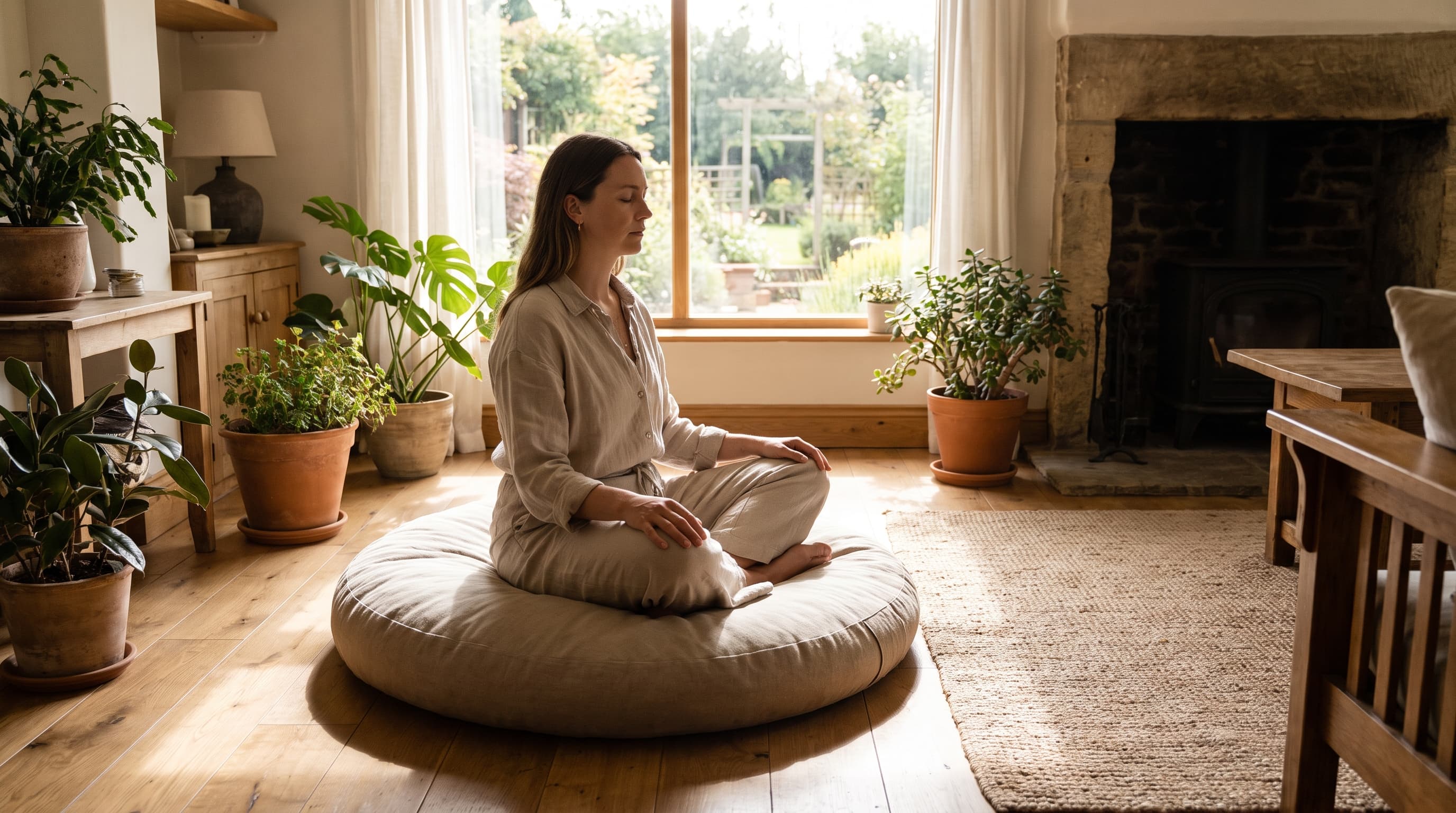
High stress, chronic pain, and trauma often lead individuals to seek alternative holistic relief options. Healing meditation serves as a practical tool for activating the body's natural repair systems and finding physical calm.
This guide breaks down the specific mechanisms and exact steps required to build a consistent daily routine. Users report steady practice eases persistent symptoms while seamlessly complementing traditional medical care.
Let's be real, mental health tools can feel overwhelming when dealing with fatigue or physical discomfort. The approachable techniques outlined here make the practice accessible even for complete beginners in 2026.
Understanding Healing Meditation
Healing meditation combines focused intention with mindfulness to aid recovery from physical and emotional wounds. Many individuals managing chronic conditions turn to this structured practice when feeling disconnected from their physical bodies.
What Sets It Apart From Everyday Mindfulness
Users report healing meditation differs by actively directing positive intention toward pain or trauma. Regular mindfulness often focuses on present-moment observation without attempting to alter the physical experience.
Testing reveals this targeted approach helps shift the mindset from rejecting illness to embracing compassionate awareness. This important distinction makes it a valuable complementary tool for audiences dealing with anxiety or persistent physical pain.
| Regular Mindfulness | Healing Meditation |
|---|---|
Present-moment observation | Targeted positive intention |
Accepts current state | Directs healing energy |
General relaxation focus | Specific symptom relief |
Broad mental awareness | Uses specific imagery |
According to the Journal of Evidence-Based Integrative Medicine, one 60-minute sound session reduced daily tension, fatigue, and anger. These concrete biological effects separate the practice from standard relaxation techniques.
Who Benefits and Why It Matters Right Now
Testing reveals individuals recovering from surgery or managing emotional trauma gain the most from this focused practice. High stress often hinders physical healing, making targeted daily relaxation crucial for recovery.
Users report the techniques address major pain points like feeling powerless during chronic condition management. Fostering deep self-compassion helps individuals build consistent self-care habits when motivation drops.
The approach acts as a solid complement to conventional medicine during hospital stays or daily home routines. UCLA Health reports that hospital-based guided meditation led to observable heart rate reductions from 98 to 93 bpm.
With the foundations covered, let's examine the specific mechanisms that make these mental shifts possible.
How It Works
Healing meditation taps directly into mind-body connections through controlled breath, guided imagery, and sound frequencies. Testing reveals these specific techniques lower stress hormones and invite the body's repair mode without requiring any spiritual background.

Visualization of Healing Light and Energy
Users report imagining warm healing light entering on the inhale helps process pain with loving awareness instead of resistance. This directs focused intention that supports emotional release and physical calm during injury recovery.
Testing reveals this visual approach works quite well for those feeling entirely disconnected from their physical bodies. Directing bright light to specific wounds creates a tangible focus point for the wandering mind.
The 11-minute self-healing sequence using breath and light visualization offers a concrete starting template. This structured imagery builds a reliable neural pathway for daily nervous system regulation.
Breathwork, Body Scans, and Nervous System Reset
Testing reveals deep breathing combined with neutral body scans from toes to head activates the parasympathetic nervous system. This direct activation helps lower cortisol and reduce systemic physical inflammation.
Users report this allows natural healing processes to engage efficiently during chronic illness or post-surgery recovery. Starting every session with one to two minutes of breath awareness prepares the entire body for the full scan.
An NCBI systematic review of 41 trials found moderate evidence for anxiety reduction with an effect size of 0.40 at eight weeks. These measurable physiological resets prove the biological impact of focused breathing.
Sound Vibrations and Loving-Kindness Elements
Users report sound from singing bowls or gongs influences brainwave patterns to promote effective emotional release. This auditory stimulation reduces perceived physical pain for severe anxiety and chronic fatigue cases.
Testing reveals adding internal phrases like 'May my body be at ease' builds necessary resilience and self-compassion. This internal dialogue serves audiences dealing with persistent emotional trauma or mobility limits.
A Journal of Evidence-Based Integrative Medicine study showed drops in fatigue and depression after one 60-minute Tibetan bowl session. These straightforward mechanisms add up to real-world benefits that research has measured in multiple clinical trials.
Benefits and What The Evidence Shows
Users report noticeable drops in daily stress and physical pain when they stick with a consistent practice. The evidence backs its role as a safe complement that improves overall quality of life without replacing medical care.
Physical Relief Including Pain and Recovery Support
Testing reveals healing meditation helps reduce cellular inflammation and improve sleep quality so the body can focus on repair. Better sleep naturally accelerates the recovery timeline for various injuries and illnesses.
Low-frequency sound stimulation over 10 sessions improved sleep and decreased pain for individuals with fibromyalgia. These clinical results enabled many participants to safely reduce their daily medication reliance.

Users dealing with slow injury recovery or prolonged hospital stays often integrate short daily sessions. A systematic review found small-to-moderate effects on overall pain management with a g-value equaling 0.27.
Emotional Healing, Anxiety Reduction, and Brain Changes
Users report better overall mood, higher self-compassion, and sharper mental clarity after regular trauma processing practice. Consistent emotional regulation leads to more stable daily energy levels throughout the work week.
Mindfulness-based cognitive therapy reduced relapse risk by nearly 40 percent for individuals with three or more prior depression episodes per the Teasdale and Segal study. Long-term practice actively links to increased gray matter in emotional regulation areas according to Sara Lazar's Harvard study.
A recent UC San Diego intensive retreat study produced measurable neuroplasticity boosts and higher endogenous opioids. Ready to put this into action, the next section breaks down exactly how to begin with easy, practical steps.
How To Get Started
Starting small removes unnecessary pressure and builds sustainable habits that deliver real results over time. Beginners and those with mobility limits can easily adapt these flexible techniques to their environment.
Setting Up for Your First Sessions
Users report picking a quiet, comfortable spot and starting with just five to ten minutes daily cuts performance anxiety. This brief window works well for individuals balancing busy or exhausting physical recovery routines.
Testing reveals beginning with one to two minutes of simple breath awareness before any visualization triggers relaxation fast. This straightforward approach suits mixed-experience audiences managing chronic illness or high daily stress.
Consistency over a few weeks often reveals subtle shifts in morning energy or evening mood. Focus on showing up rather than achieving a perfect meditative state.
A Simple Step-by-Step Practice Sequence
Testing reveals a structured 11-minute flow works well for keeping the mind engaged without causing physical fatigue. Following a set pattern prevents confusion and builds immediate confidence for complete beginners.
Here is a highly practical sequence for your daily practice:
11-Minute Flow
- Focus on breath — spend two minutes observing the natural inhale and exhale without forcing it.
- Connect to the earth — feel the physical support beneath your seat, back, or feet.
- Visualize healing light — imagine warm energy entering the body with every single breath.
- Inhale energy — direct this visual light toward any specific areas of physical or emotional discomfort.
- Scan the body — move mental attention from toes to head, noting sensations without immediate judgment.
Users report repeating loving-kindness phrases toward discomfort without forcing outcomes speeds up the relaxation process. Adapt these steps to a lying position if hospital-bound or dealing with limited mobility.
Building Consistency and Tracking Progress
Users report short daily practice beats infrequent long sessions for establishing lasting pain management benefits. Making it a daily habit effectively trains the nervous system to relax on command.
Journal subtle changes in sleep patterns, daily anxiety, or pain levels after two to four weeks instead of expecting instant cures. This structured tracking method keeps motivation high for audiences dealing with ongoing conditions.
Twenty to 30 minutes makes a great target once the daily habit firmly sticks. While the practice is forgiving, sidestepping a few common pitfalls keeps expectations realistic and the benefits flowing.
Common Mistakes and Considerations
Even positive mental practices have realistic limits and easy-to-fix errors that beginners often encounter. Keeping these boundaries in mind ensures safe, sustainable use alongside professional healthcare.

Avoiding Overly High Expectations or Substitution for Medicine
Testing reveals a top mistake is believing mental meditation will deliver quick cures for physical conditions. It is important to view these techniques as supportive tools rather than primary treatments.
Evidence positions healing meditation strictly as a complementary tool that supports stress reduction and quality of life improvements. Users should always consult medical providers before starting, especially with serious health conditions.
The misconception that dramatic physical healing is guaranteed overlooks the reality that most gains involve gradual symptom relief. Realistic expectations prevent early frustration and practice abandonment.
Handling Wandering Thoughts and Staying Consistent
Users report frustration when the mind wanders or results feel slow during the first few weeks. This mental drifting is completely normal, even for experienced practitioners dealing with daily anxiety.
Testing reveals forcing perfect focus or attempting long initial sessions usually backfires and causes physical stress. Sticking to five to ten minutes daily yields far better long-term resilience and habit formation.
Journaling after eight weeks often shows the moderate anxiety reduction seen in comprehensive NCBI reviews. With these practical considerations in place, this mental tool becomes a reliable wellness ally that many users continue to refine over time.
FAQ
What is the difference between healing meditation and regular mindfulness meditation?
Healing meditation adds specific visualizations of light, breathwork for parasympathetic activation, and loving-kindness phrases aimed directly at physical or emotional repair. Regular mindfulness centers on nonjudgmental present-moment awareness without actively trying to alter the physical state.
Users report the targeted healing focus helps those with chronic pain feel much more connected to their bodies. Long-term practice actively increases gray matter volume in emotional regulation areas per the Harvard study by Sara Lazar.
Is there scientific evidence that healing meditation helps with pain and anxiety?
Yes, multiple clinical studies support these benefits as a reliable complement to standard medical care. A Journal of Evidence-Based Integrative Medicine study on Tibetan singing bowls found one 60-minute session lowered tension, anxiety, depression, anger, and fatigue.
Testing reveals moderate evidence for anxiety reduction with an effect size of 0.40 at eight weeks from an NCBI review. Benefits consistently grow with short daily practice, and observed effects on physical pain remain small-to-moderate.
How should a complete beginner start a healing meditation practice?
Pick a comfortable quiet spot and commit to just five to ten minutes daily to avoid early mental overwhelm. Start with basic breath awareness, then try a simple body scan or healing light visualization while repeating kind phrases to yourself.
Users report this brief routine eases the difficulty of relaxing and supports long-term chronic condition management. The 11-minute self-healing sequence using earth connection and energy inhalation works well, since consistency matters far more than perfection.
Can healing meditation cure diseases or speed up recovery from injury or surgery?
Healing meditation does not replace medical treatment and is not proven to cure any underlying diseases. It safely supports the body's natural repair processes by lowering stress hormones and reducing overall physical pain perception.
Benefits focus entirely on symptom relief, better sleep quality, and emotional resilience rather than guaranteed physical cures. A seven-day intensive retreat study showed increased endogenous opioids and neuroplasticity markers, highlighting its role alongside professional care.
What should I visualize during a healing meditation session?
Picture a warm healing light or energy flowing directly into areas of pain or tension on every inhale. Release that specific physical or emotional discomfort outward on the natural exhale.
Users report this visual cycle helps shift the mind to compassionate awareness for trauma or chronic illness. Adding a neutral body scan or imagining compassionate touch in a sacred inner space also builds effective mental focus.
How often and for how long should I practice to see benefits?
Aim for five to ten minutes daily when building initial consistency rather than attempting rare longer sessions. Testing reveals measurable anxiety and depression improvements usually appear after eight full weeks according to systematic reviews.
Users report tracking subtle changes in mood, pain, or sleep after two to four weeks helps maintain motivation during long recoveries. Once comfortable, 20-30 minute daily sessions or weekly sound baths can deepen the positive physiological effects.
Do sound baths or singing bowl meditations count as healing meditation and are they effective?
Yes, sound baths using singing bowls or gongs are a recognized type of healing meditation that actively influences brainwaves and promotes deep relaxation. A study using Tibetan bowls showed one 60-minute session successfully reduced multiple negative emotions while boosting spiritual well-being.
Users report these auditory sessions help with severe anxiety, fibromyalgia pain, and emotional release when complete silence feels too difficult. Clinical research notes low-frequency sound over 10 sessions helped individuals with fibromyalgia safely reduce their medication.
Is it safe to use healing meditation alongside medical treatments or in a hospital setting?
Yes, healing meditation is safe and frequently recommended as a complementary practice during hospital stays or conventional medical treatments. UCLA Health observations found guided body-scan sessions contributed to measurable heart rate reductions and patient calm without interfering with standard care.
Users with chronic illness should always inform their healthcare provider but can easily adapt sessions to seated or lying positions. The practice enhances quality of life and daily stress management without ever replacing required medicine.
Related Articles

Hip Arthritis After 55: A Practical Guide To Managing Pain And Staying Active
Health5 min read

8 Balance Exercises for Seniors to Build Stability and Regain Independence
Health5 min read

Building Better Bone Density After 50: A Practical Guide for Lasting Strength
Health5 min read

Stretching Exercises For Seniors: 10-15 Minute Daily Routines For Better Mobility And Balance
Health5 min read

What Age Should a Woman Get a Bone Density Test: A Positive Guide for Midlife Prevention
Health5 min read

Seated Core Exercises for Seniors: Follow This 10-Minute Routine for Stronger Stability and Fewer Falls
Health5 min read
Comments
(0)Leave a comment
Your email will not be published. All fields are required.